
 Cart is empty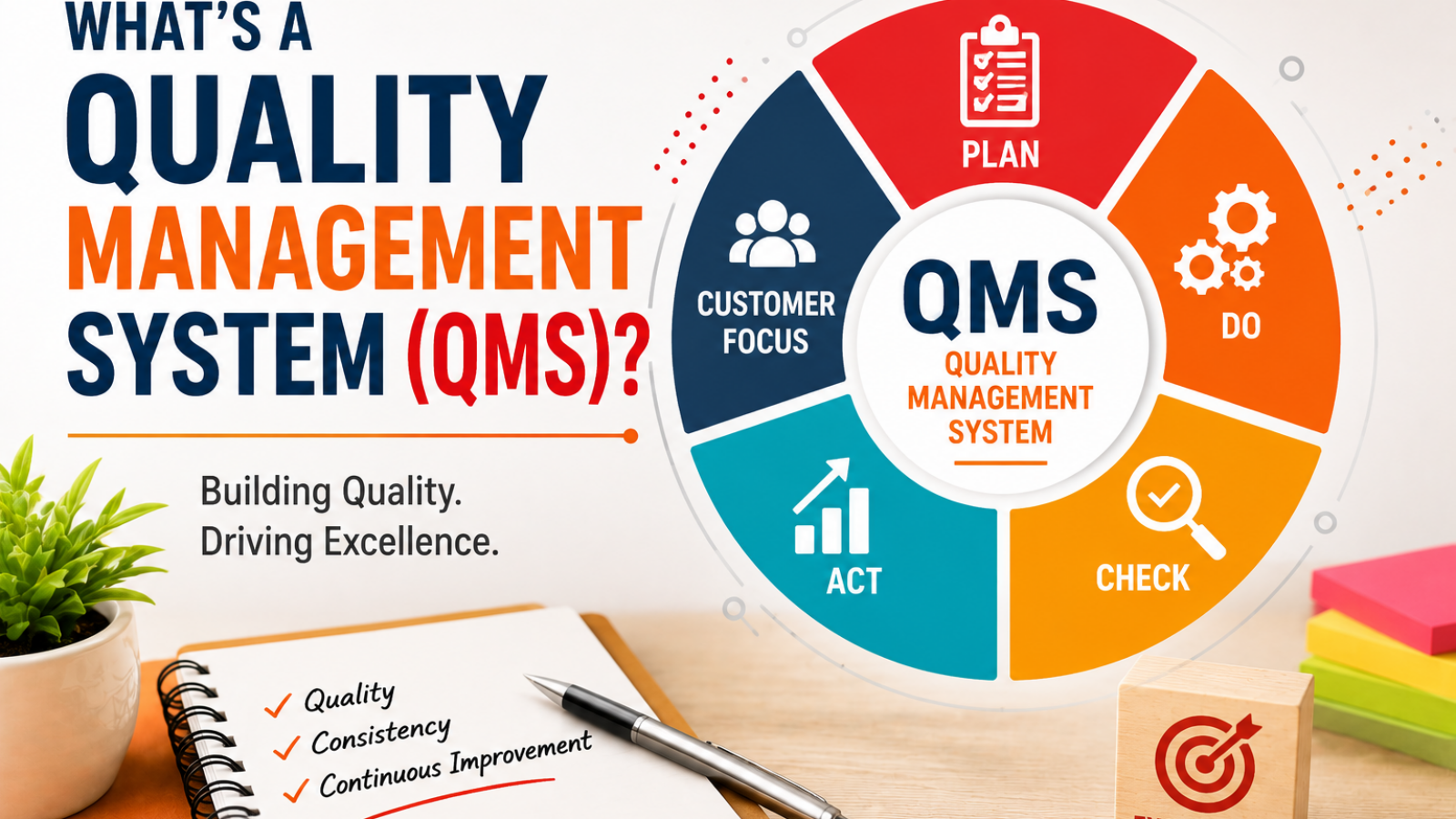
Quality, whether of product or service, is the fuel for every organization that strives to earn customer trust, achieve long term growth, and remain profitable. And a robust Quality Management System (QMS) is the engine that runs on that fuel.
Many businesses, however, still view QMS merely as a compliance requirement — something to achieve certification and move on.
But in truth, a well-implemented QMS is far more powerful. It’s a strategic framework that drives business excellence, efficiency, and continuous improvement across all operations.
What Is a Quality Management System (QMS)?
A Quality Management System (QMS) is a structured framework of processes, policies, and procedures that ensures products and services consistently meet customer and regulatory requirements.
Globally, the ISO 9001 standard provides the foundation for developing and implementing a QMS that supports operational control and long-term success.
While ISO 9001 was initially designed for manufacturing, its principles apply to any organization, from food production to logistics, healthcare, and professional services.
An effective QMS ensures every part of the business works in sync toward one goal: delivering value and satisfaction to customers.
Benefits of a Quality Management System Beyond Certification
Here are some of the most profound benefits an organization reaps from implementing a quality culture beyond the ISO 9001 Certification:
1. Improved Efficiency and Process Control
A well-structured QMS helps to eliminate redundancy, reduce errors, and streamline workflows.
Through process efficiency and data-driven decisions, businesses can save time, cut costs, and improve productivity. Clear documentation and accountability also makes it easier to monitor and enhance organizational performance over time.
2. Enhanced Customer Satisfaction
Customer trust is earned through consistent product/service quality and reliability.
A well implemented QMS ensures that products and services meet or exceed expectations, leading to higher customer satisfaction and loyalty.
Additionally, it enables proactive handling of complaints and continuous tracking of customer feedback for improvement.
3. Competitive Advantage
In markets where products and services often appear similar, quality becomes the differentiating factor.
Businesses with ISO 9001 Certification and a strong Quality Management System tend to enjoy a competitive advantage over those without.
Not only do they attract more clients but also enjoy access to new markets that demand certified quality management practices (e.g global markets).
4. Continuous Improvement Culture
A QMS encourages an ongoing review of systems and performance through internal audits, management reviews, and feedback loops.
This promotes continuous improvement and risk-based thinking.
Continuous improvement is an essential element for long-term sustainability and adaptability in a changing business environment.
Other benefits of a Quality Management System (QMS) include:
-
- Minimize waste and cut operational costs
-
- Minimize errors
-
- Boost employee engagement
-
- Enhance brand reputation
-
- Enhance business sustainability
The QMS Compliance Trap: Why Many Businesses Stop Too Soon
What is the QMS Compliance Trap?
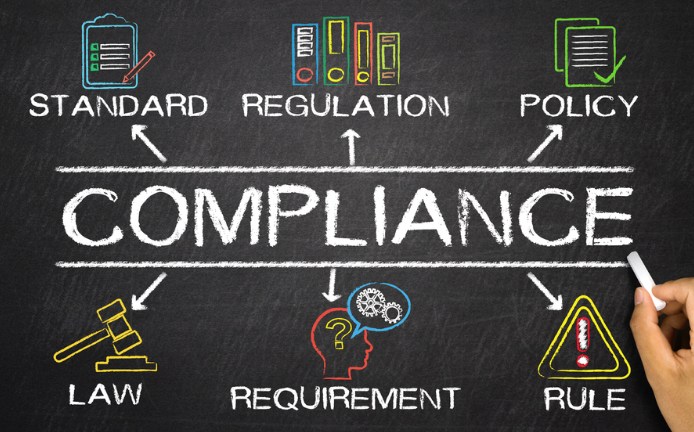
For many companies, implementing a QMS begins and ends with obtaining the coveted ISO 9001 certification. The focus is often on meeting minimum audit requirements rather than creating real improvement.
This is what we call the compliance trap — when a business focuses on documentation instead of transformation.
While compliance is important for any organization, certification alone doesn’t guarantee better performance. Without genuine commitment, procedures become paperwork, and audits turn into formalities.
To unlock the true potential of a QMS, organizations must move beyond compliance and embrace quality management in business as a way of thinking and operating.
How to Move from On-Paper QMS Compliance to Operational Excellence
The journey from on-paper compliance to organizational excellence begins with a mindset shift.
This means that the mind must shift from merely “meeting QMS requirements” to “improving performance.”
A QMS built on the PDCA (Plan-Do-Check-Act) cycle fosters continuous improvement, helping teams identify risks, correct weaknesses, and drive innovation. Leadership also plays a critical role in this transformation. When management demonstrates commitment to quality, employees feel empowered to take ownership of processes and results.
This engagement creates a quality culture where excellence is everyone’s responsibility, not just that of the quality department.
Learn how to implement an effective QMS from our QMS book, The Fundamentals of QMS.
Quality Management as a Business Strategy
When implemented effectively, a Quality Management System goes beyond satisfying auditors.
It becomes a foundation for operational excellence, innovation, and customer trust. Businesses that embrace quality as a core strategy often build resilience, adaptability, and enjoy long-term success.
At SanaSafe Consulting, we believe that quality is not a destination but a journey.
Our role as QMS experts is to help businesses move from on-paper compliance to excellence. This means ensuring that systems not only meet ISO 9001 standards but also deliver measurable improvement in efficiency, satisfaction, and market competitiveness.
If your organization needs assistance with QMS implementation, auditing, or ISO 9001 certification, learn more about our QMS Consulting Services in Kenya.
You can also get our highly recommended QMS book, Fundamentals of QMS, and learn more about how to implement QMS in your organization.
Add a Comment