Food safety hazards sanasafe

Food Safety Hazards: Types, Examples, and Best Control Measures

One of the biggest threats to food safety in any food handling setup is the presence of food safety hazards.

According to the World Health Organization (WHO), approximately 420,000 people die every year after eating contaminated food. These statistics show how food hazards can pose serious health risks to food consumers and why food businesses need to manage them.

In this article, we will explore the different types of food safety hazards, common causes of food contamination, examples of hazards in food businesses, and practical ways to control and prevent food safety risks.

What Are Food Safety Hazards?

Food safety hazards are biological, chemical, physical, or allergen-related agents that can make food unsafe for consumption. These hazards may occur at any stage of the food chain, including receiving, processing, preparation, packaging, storage, transportation, and serving.

A food safety hazard becomes dangerous when it has the potential to cause illness, injury, or adverse health effects in consumers.

What Causes Food Safety Hazards?

Food safety hazards can result from several factors, including:

  • Poor personal hygiene
  • Cross-contamination
  • Improper cooking temperatures
  • Inadequate cleaning and sanitation
  • Poor storage conditions
  • Contaminated raw materials
  • Pest infestation
  • Unsafe water sources
  • Improper chemical handling
  • Poor equipment maintenance

When these issues are not properly controlled, food contamination hazards can increase significantly and affect food safety.

The Four Main Types of Food Safety Hazards

There are four major categories of food safety hazards:

  1. Biological hazards
  2. Chemical hazards
  3. Physical hazards
  4. Allergen hazards

Understanding these types of food safety hazards is essential for effective hazard management and overall food safety.

  1. Biological Hazards in Food

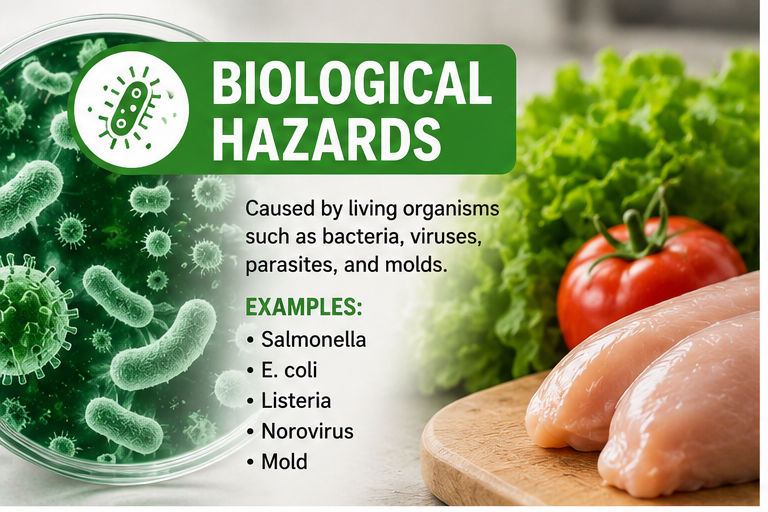
Biological hazards are harmful microorganisms or biological agents that can contaminate food and cause foodborne illnesses. These are among the most common and serious food safety hazards in the food industry.

Examples of biological hazards include:

  • Salmonella
  • E. coli
  • Campylobacter
  • Norovirus
  • Staphylococcus aureus
  • Yeasts and moulds

These microorganisms can grow rapidly under poor food handling and storage conditions.

Biological contamination often occurs through raw meat and poultry, Contaminated water, Poor personal hygiene, Cross-contamination, Improper cooking of food, Inadequate refrigeration, dirty equipment and utensils, or poor pest management.

Restaurants, catering facilities, hotels, and food manufacturing plants are particularly vulnerable if proper food hygiene practices are not followed.
biological food hazards

How to Prevent Biological Hazards

Food handling businesses can control biological hazards by implementing the following measures:

  • Proper cooking temperatures
  • Effective cleaning and sanitation
  • Hand washing procedures
  • Regular Temperature monitoring
  • Pest control 
  • Cold chain management
  • Staff food safety training
  • Good Manufacturing Practices (GMPs)

Implementing HACCP systems also helps to identify and control biological hazards at Critical Control Points (CCPs).

  1. Chemical Hazards in Food

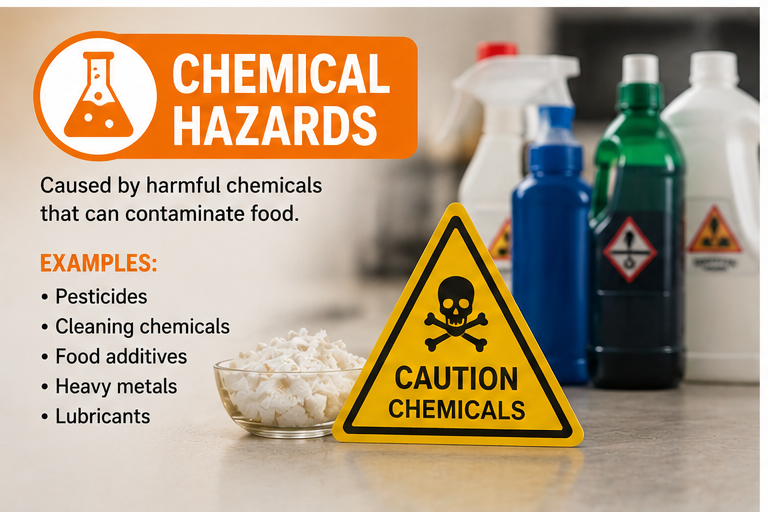
Chemical hazards occur when harmful chemicals contaminate food products. These contaminants may enter food accidentally or through improper handling procedures.

Common chemical hazards in food include:

  • Cleaning chemical residues
  • Pesticides
  • Food additives
  • Lubricants
  • Heavy metals
  • Toxic packaging materials

These hazards often result from improper chemical storage, incorrect chemical usage, poor labelling, supplier contamination, equipment leaks, or the use of excessive food additives.

Chemical contamination can affect food safety and may cause poisoning, allergic reactions, or long-term health complications.
chemical food hazards

How to Prevent Chemical Hazards

Food businesses can reduce contamination through chemical hazards by:

  • Properly labelling chemicals
  • Using food-grade chemicals only
  • Training employees on the safe handling of chemicals 
  • Approving reliable suppliers
  • Separating chemicals from food storage areas
  • Following sanitation procedures carefully
  1. Physical Hazards in Food

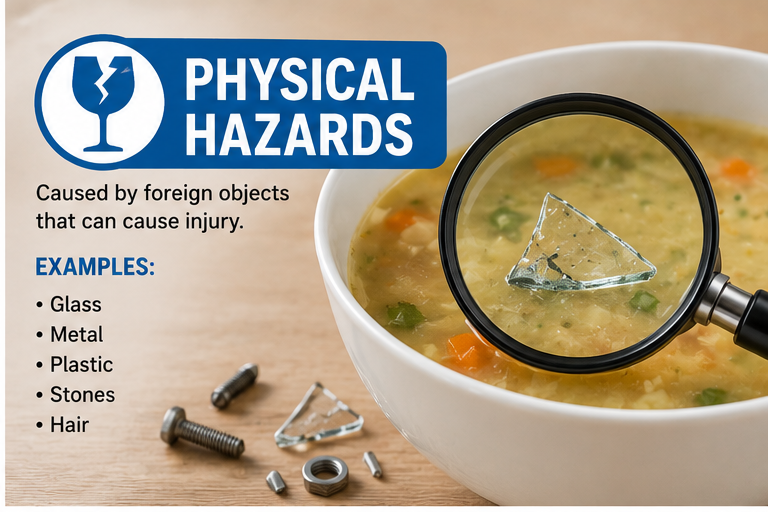
Physical hazards are foreign objects that accidentally enter food products and may cause injuries to consumers.

Examples of physical hazards include:

  • Glass fragments
  • Metal pieces
  • Plastic particles
  • Hair
  • Stones
  • Wood splinters
  • Jewelry
  • Packaging materials

Physical contamination is a common concern in food manufacturing and processing environments.

Physical hazards often occur due to damaged equipment, poor handling practices, broken utensils, inadequate use of protective clothing, packaging materials, and construction activities, among others.

Without proper controls, these contaminants may enter finished food products and affect consumers.
physical food hazards

How to Prevent Physical Hazards

Food businesses can prevent physical hazards through the following measures:

  • Frequent equipment maintenance
  • Installing metal detectors
  • Using sieves and filters
  • Glass control procedures
  • GMP implementation
  • Staff hygiene policies
  • Routine inspections

Regular internal audits should also be conducted to identify physical contamination risks and implement control measures.

  1. Allergen Hazards in Food

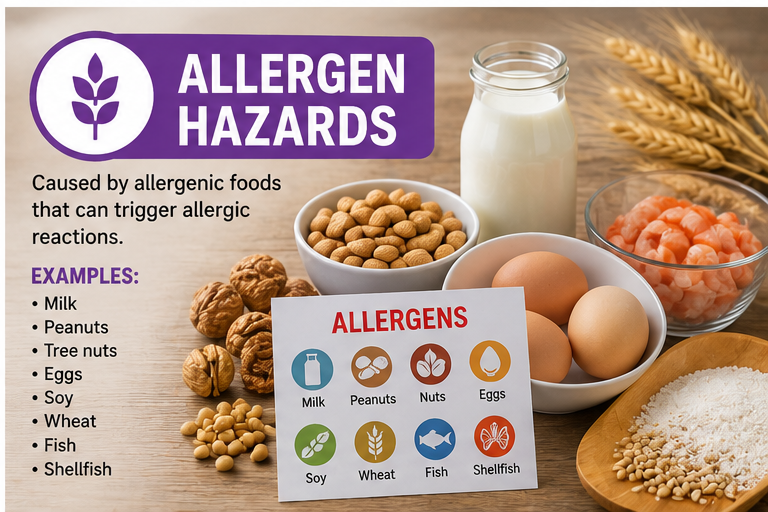
Food allergens are becoming an increasingly important food safety concern globally. Even small amounts of allergens can trigger severe allergic reactions in sensitive consumers.

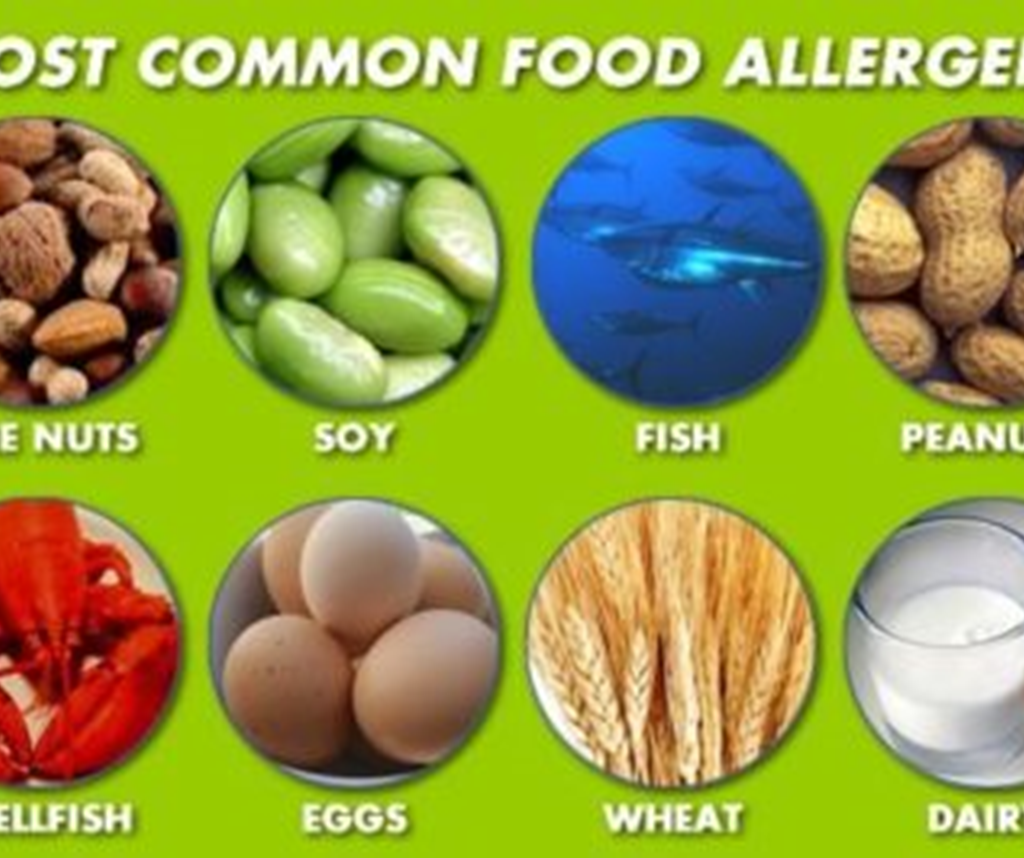
Common food allergens include:

  • Milk
  • Eggs
  • Fish
  • Peanuts
  • Soy
  • Wheat
  • Tree nuts
  • Shellfish

Allergen contamination may occur through shared equipment, poor cleaning practices, improper storage, incorrect labelling, and cross-contact during production.

Food allergen management is now a critical part of food safety compliance that should not be ignored.
Allergen food hazards

How to Prevent Allergen Hazards

Allergen hazards can be controlled through measures such as:

  • Proper product labeling
  • Cleaning validation
  • Staff allergen awareness training
  • Segregated storage
  • Production scheduling controls

Consequences of Poor Food Safety Management

Failure to properly control food safety hazards can have serious consequences for both consumers and businesses. 

Some of the major consequences of poor food safety practices include:

  1. Foodborne Illnesses

Unsafe food can expose consumers to harmful microorganisms, chemicals, allergens, or foreign objects, leading to food poisoning and other health complications.

  1. Product Recalls

Contaminated or unsafe products may need to be recalled from the market, resulting in significant financial losses and disruption to business operations.

  1. Legal Penalties and Regulatory Non-Compliance

Failure to comply with food safety regulations and standards can lead to fines, legal action, license suspension, or closure by regulatory authorities.

  1. Customer Complaints and Loss of Trust

Food safety incidents can reduce customer confidence and damage relationships with clients, retailers, and business partners.

  1. Damage to Business Reputation

Negative publicity associated with food contamination or poor hygiene can seriously harm a company’s image and brand reputation.

  1. Financial Losses

Businesses may face increased costs related to recalls, lawsuits, wasted products, corrective actions, and loss of customers.

  1. Business Closure

In severe cases, repeated food safety failures may force businesses to shut down completely due to legal, financial, or reputational damage.

Implementing strong food safety systems helps businesses reduce these risks significantly.

Food Safety Hazards in HACCP

HACCP (Hazard Analysis and Critical Control Points) is a preventive food safety management system designed to identify and control food safety hazards before they affect consumers.

Hazard analysis involves:

  • Identifying food safety hazards
  • Evaluating severity and likelihood
  • Determining preventive controls
  • Establishing monitoring procedures

The HACCP system helps businesses control biological, chemical, physical, and allergen hazards effectively.

Critical Control Points (CCPs) in HACCP

Critical Control Points are stages where hazards can be controlled or eliminated.

Examples of CCPs in a HACCP system include:

  • Cooking temperatures
  • Chilling processes
  • Metal detection
  • Pasteurization
  • Product storage conditions

Monitoring CCPs is essential for effective food safety management.

Cross-Contamination in Food Safety

Cross-contamination occurs when harmful substances or microorganisms transfer from one surface, food product, or person to another.

Examples include:

  • Raw meat contaminating cooked food
  • Shared cutting boards
  • Poor hand hygiene
  • Unclean utensils

Cross-contamination is a major cause of foodborne illnesses in restaurants and catering operations.

Food Safety Hazard Control Measures

Controlling food safety hazards requires a comprehensive food safety management system. Some key food safety controls that businesses should implement to manage food hazards include:

  • HACCP implementation
  • Good Manufacturing Practices (GMPs)
  • Cleaning and sanitation
  • Pest control
  • Temperature control
  • Preventive equipment maintenance
  • Supplier approval
  • Staff food safety training
  • Personal hygiene programs
  • Internal audits

Consistent monitoring and verification help ensure these controls remain effective.

Importance of Food Safety Training

Food safety training is essential for helping employees understand hazards and build a strong food safety culture.

Food safety trainings may include:

  • HACCP and Pre-Requisite Programs (PRPs) training
  • Personal hygiene training
  • Cleaning and sanitation
  • Allergen management
  • Internal auditing
  • GMP training

Such trainings often encourage staff accountability, food safety awareness, management commitment, open communication, and continuous improvement in an organization.

Well-trained staff are more likely to follow food safety procedures consistently.
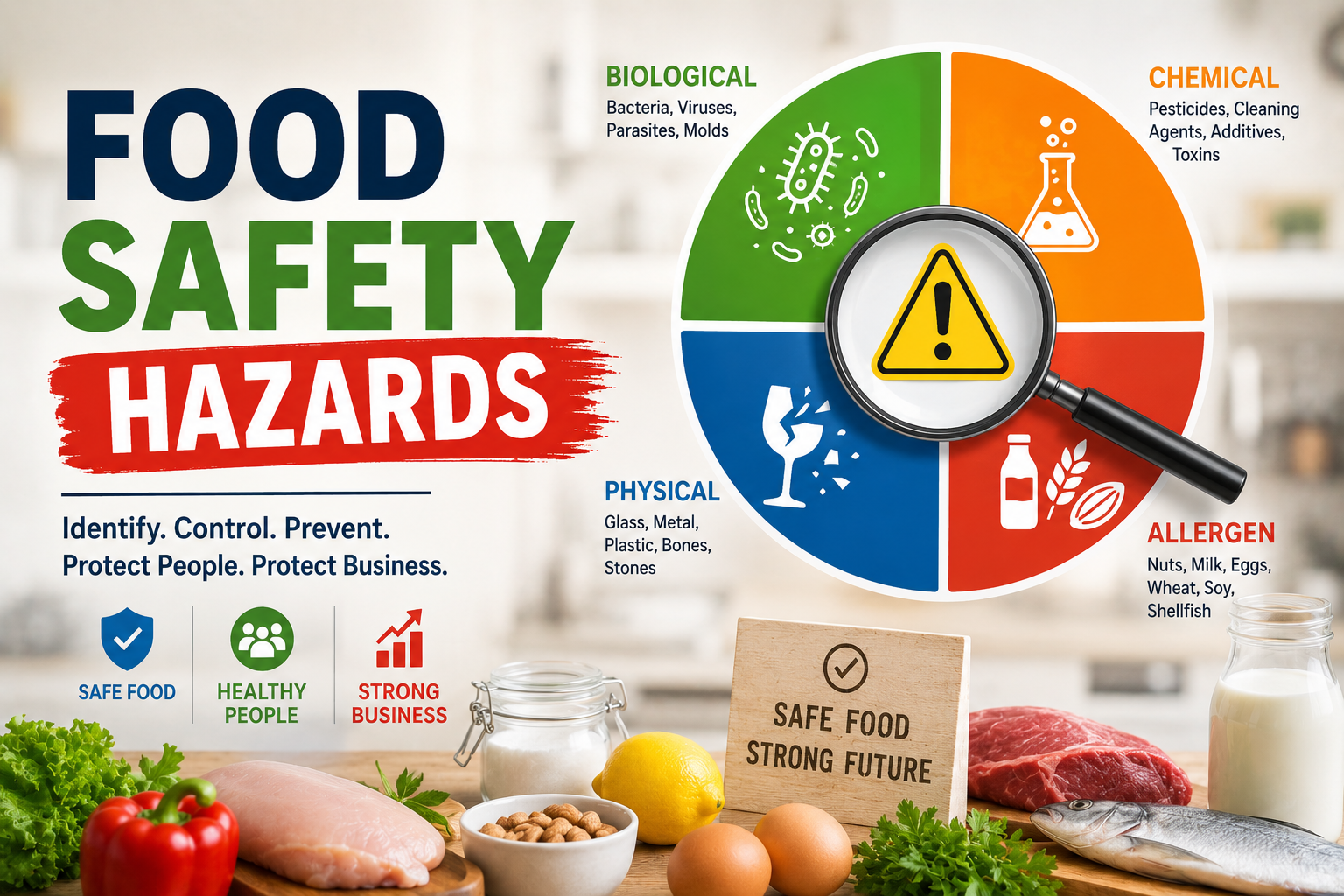
Food safety hazards

Food Safety Consultancy and Training in Kenya

As food safety requirements continue to develop, more businesses require professional support to strengthen their food safety systems.

At SanaSafe, we have the best Food Safety Trainers and Food Safety Consultants in Kenya, helping businesses build strong food safety and quality management systems (QMS) that meet both local and international standards. 

We support food businesses through:

Our Food Safety Training programs equip teams with practical skills in food hygiene, hazard analysis, GMPs, HACCP principles, internal auditing, sanitation, allergen management, and food safety compliance. 

We help food businesses across Kenya and East Africa improve food safety compliance and build effective food safety management systems.

Food Safety Hazards FAQs

What are the 4 types of food safety hazards?

The four main types of food safety hazards are biological, chemical, physical, and allergen hazards.

What is the most common food safety hazard?

Biological hazards, particularly harmful bacteria such as Salmonella and E. coli, are among the most common food safety hazards.

What causes food contamination?

Food contamination may result from poor hygiene, cross-contamination, improper storage, unsafe water, pests, or poor sanitation.

How can food safety hazards be prevented?

Food safety hazards can be prevented through HACCP implementation, proper hygiene, staff training, sanitation, and effective monitoring systems.

What is hazard analysis in HACCP?

Hazard analysis is the process of identifying and evaluating food safety hazards and determining appropriate preventive controls.

Final Thoughts on Food Safety Hazards

Food hazards can occur at any stage of food production and handling. However, the risks can be significantly reduced through proper hazard analysis, HACCP implementation, staff training, and effective food safety controls.

Managing food safety hazards is essential for protecting consumers, improving food quality, and maintaining compliance within the food industry. It also strengthens customer confidence and business reputation.

If you need support with HACCP implementation or food safety training, contact SanaSafe Consulting and we’ll be ready to help.
What is HACCP?

What Is HACCP? A Complete Guide for Food Businesses

One of the most widely recognized food safety systems used globally is HACCP.

Food safety is a critical aspect of the food and beverage industry, whether you run a restaurant, hotel, catering business, bakery, food manufacturing company, or a processing plant.

But what is HACCP, and why is it so important?

In this comprehensive guide, we’ll explain the meaning of HACCP, the 7 HACCP principles, how the system works, and why food businesses in Kenya and around the world rely on it to improve food safety and compliance.

What Does HACCP Stand For?

HACCP stands for Hazard Analysis and Critical Control Points.

It is a preventive food safety management system designed to identify, evaluate, and control food safety hazards before they can affect consumers.

Unlike traditional quality control methods that focus on testing finished products, HACCP focuses on preventing food safety hazards during the production and handling process.

The HACCP system was originally developed in the 1960s by NASA and the Pillsbury Company to ensure safe food for astronauts. Today, it is used worldwide across the food industry and forms the foundation of many food safety standards, including ISO 22000 and FSSC 22000.

What Is HACCP, in Simple Terms?

In simple terms, HACCP is a structured food safety system that helps businesses identify possible hazards in food production and establish controls to prevent contamination.

This food safety system focuses on:

  1. Identifying food safety risks
  2. Preventing contamination
  3. Monitoring critical processes
  4. Taking corrective action when problems occur
  5. Maintaining food safety records

HACCP is widely used in:

  • Restaurants
  • Hotels
  • Food manufacturing plants
  • Catering companies
  • Bakeries
  • Dairy processing facilities
  • Supermarkets
  • Meat processing plants
  • Export food businesses

In Kenya, many organizations increasingly require HACCP implementation to comply with customer, regulatory, and export requirements.

Why Is HACCP Important in Food Safety?

Food contamination can lead to serious health risks, customer complaints, legal action, product recalls, and damage to a company’s reputation.

The HACCP system helps businesses reduce these risks by proactively managing food safety hazards.

Importance of HACCP in Food Businesses

Implementing an effective food safety management system like HACCP is important in food businesses in that it:

1. Improved Food Safety

HACCP helps control harmful bacteria, chemicals, allergens, and physical contaminants before food reaches consumers. This prevents foodborne illnesses and improves food safety.

2. Improves Consumer Confidence

Customers are more likely to trust businesses that prioritize food safety.

3. Supports Regulatory Compliance

Many food regulators and certification bodies require HACCP implementation in food businesses.

4. Reduces Product Loss and Waste

Early hazard control minimizes spoilage, contamination, and rejected products. This protects the business from unnecessary food waste and associated losses.

5. Improves Operational Efficiency

HACCP introduces standardized procedures and better monitoring systems, which improve operational efficiency.

6. Supports International Trade

Export markets often require HACCP certification or equivalent food safety systems for a business to distribute its products globally.

Types of Food Safety Hazards Controlled by HACCP

The HACCP system focuses on identifying and controlling food safety hazards that may occur during food production, processing, storage, or handling.

food safety hazards

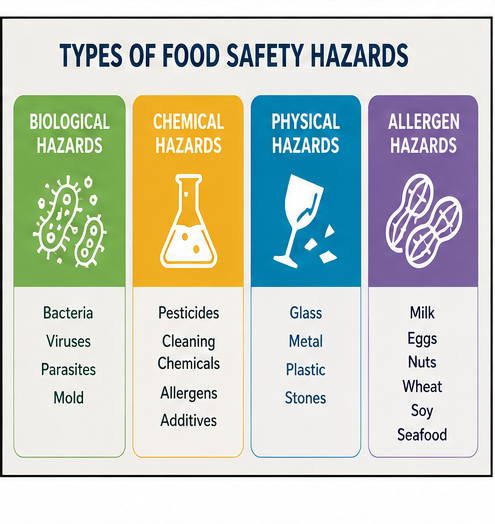
As seen in the infographic above, there are 4 different types of food hazards that HACCP can control:

1. Biological Hazards

These include harmful microorganisms such as:

  • Salmonella
  • E. coli
  • Listeria
  • Yeast and moulds
  • Viruses

Biological hazards are among the most common causes of foodborne illness.

2. Chemical Hazards

Chemical hazards are chemical contaminants, which may include:

  • Cleaning chemical residues
  • Pesticides
  • Food additives
  • Allergens
  • Lubricants

Proper handling and storage procedures help minimize chemical contamination.

3. Physical Hazards

Physical hazards are foreign objects that may contaminate food, such as:

  • Glass fragments
  • Metal pieces
  • Plastic particles
  • Stones
  • Hair

These hazards can cause injuries to consumers when consumed with food.

4. Allergen Hazards

Food allergens are increasingly important in food safety management.

Common allergens that can affect consumers include: Milk, Eggs, Nuts, Soy, Wheat, and Seafood

HACCP helps businesses prevent allergen cross-contamination.

The 7 Principles of HACCP

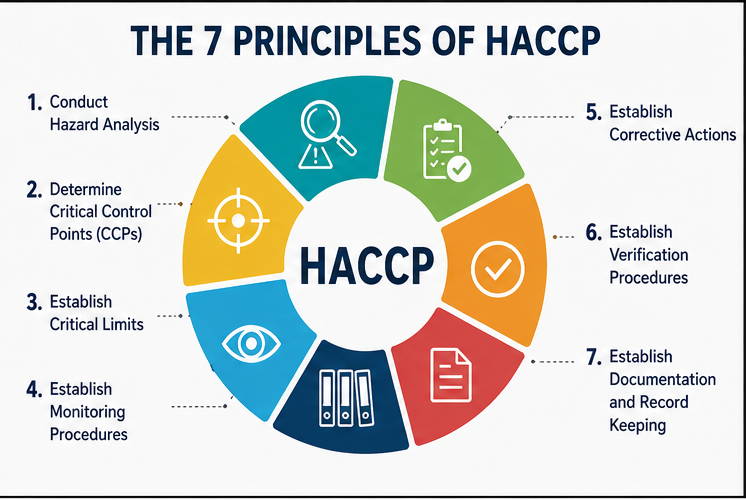
The HACCP system is built around seven internationally recognized principles. These principles act as the basic ‘steps’ to follow when implementing a HACCP system.

7 principles of HACCP

Principle 1: Conduct Hazard Analysis

Start by identify all the potential biological, chemical, physical, and allergen hazards associated with your products and processes.

Principle 2: Determine Critical Control Points (CCPs)

The second principle is to determine the Critical Control Points (CCPs). These are the stages where hazards can be prevented, eliminated, or reduced to acceptable levels.

Examples of CCPs include:

  • Cooking
  • Chilling
  • Hot holding
  • Metal detection

Principle 3: Establish Critical Limits

After identifying the CCPs in your processes, the next step is to determine the critical limits. These are the measurable criteria used to control the identified hazards.

Examples of critical limits include:

  • Minimum cooking temperature
  • Maximum storage temperature
  • pH limits

Principle 4: Establish Monitoring Procedures

Next, establish the procedures that will be used to monitor the critical limits. Monitoring ensures CCPs remain under control at all times.

Examples of monitoring procedures include:

  • Temperature checks using probes
  • Visual inspections
  • Cooking time monitoring using stop watches

Principle 5: Establish Corrective Actions

Once you have the monitoring procedures in place, establish corrective actions.

Corrective actions are steps to be taken when monitoring shows that critical limits have been exceeded.

For example:

  • Reheating the food
  • Discarding contaminated products
  • Investigating root causes

Principle 6: Establish Verification Procedures

Establish verification procedures to confirm that the HACCP system is functioning effectively.

Examples of verification procedures include:

  • Internal audits
  • Calibration
  • Product testing
  • Review of records

Principle 7: Establish Documentation and Record Keeping

Documentation provides evidence that the system is properly implemented and maintained.

Common HACCP records that need to be kept and reviewed include:

  • Temperature logs
  • Cleaning records
  • Training records
  • Corrective action reports
  • Audit reports

How the HACCP System Works

The HACCP process follows a structured and systematic approach designed to identify, evaluate, and control food safety hazards throughout the food production process. 

Below are the key steps involved in implementation:

Step 1: Assemble the HACCP Team

A multidisciplinary team is needed to oversee the development and implementation of the HACCP system. 

The team may include personnel from production, quality assurance, food safety, maintenance, purchasing, and management to ensure all aspects of the process are properly coordinated.

Step 2: Describe the Product

Clearly define the product being analyzed, including its ingredients, processing methods, packaging, storage conditions, shelf life, and intended use. 

Understanding the product characteristics helps identify possible food safety hazards associated with the product.

Step 3: Develop a Process Flow Diagram

Create a process flow diagram to map out every stage of the production process, from receiving raw materials to final distribution. This helps the team to understand how the product moves through the facility and where potential hazards may occur.

Step 4: Verify the Flow Diagram

The HACCP team verifies the accuracy of the flow diagram by physically reviewing the production process on-site. This step ensures that no important stages, process steps, or movements have been overlooked.

Step 5: Conduct Hazard Analysis

At each stage of the process, the team identifies potential biological, chemical, physical, and allergen hazards that could affect food safety. 

The team then analyzes the hazards by evaluating the likelihood and severity of each hazard and determining appropriate preventive measures.

Step 6: Determine Critical Control Points (CCPs)

Critical Control Points are stages in the process where control is essential to prevent, eliminate, or reduce food safety hazards to acceptable levels. 

Examples of CCPs may include cooking, chilling, metal detection, or temperature control during storage.

Step 7: Establish HACCP Controls

Once CCPs have been identified, the business establishes critical limits, monitoring procedures, corrective actions, verification activities, and record-keeping systems. 

These controls help ensure that hazards remain under control and that the system continues to function effectively over time.

HACCP Example in a Restaurant Kitchen

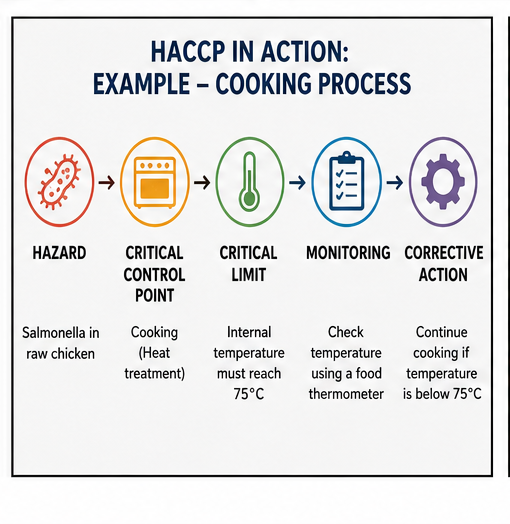
Consider a restaurant preparing grilled chicken. Here’s a simple illustration of what a HACCP system would look like in this case:

  1. Potential Hazard: Salmonella contamination from undercooked chicken.
  2. Critical Control Point: Cooking stage.
  3. Critical Limit: Chicken must reach an internal temperature of 75°C.
  4. Monitoring: Kitchen staff check the temperature during cooking using a food thermometer.
  5. Corrective Action: Continue cooking until the required temperature is reached.
  6. Verification: Product testing and calibration of the kitchen thermometers
  7. Documentation: Keeping a record of daily cooking temperature logs.
haccp in action: example

What Are HACCP Prerequisite Programs (PRPs)?

Prerequisite Programs (PRPs) are basic conditions and activities required to maintain a hygienic environment before implementing HACCP.

PRPs form the foundation of an effective food safety management system.

Examples of HACCP PRPs

  • Cleaning and sanitation
  • Pest control
  • Waste management
  • Personal hygiene
  • Equipment maintenance
  • Supplier approval
  • Water quality control
  • Staff training

Without strong PRPs, the HACCP system may fail.

HACCP vs ISO 22000

Many people confuse HACCP with ISO 22000. Although related, they have some notable differences.

What’s the difference between these two food safety standards? Here are some of them:

HACCP ISO 22000
Focuses on food safety hazards Comprehensive food safety management system
Based on 7 principles Includes Quality management system requirements
Often regulatory requirement International certification standard
Mainly operational Includes strategic and organizational controls

ISO 22000 incorporates HACCP principles together with Quality Management System (QMS) requirements.

Common Challenges in HACCP Implementation and Viable Solutions

Although the HACCP system provides significant food safety and operational benefits, many businesses face challenges during implementation and maintenance. 

These challenges can affect the effectiveness of the food safety management system if not properly addressed. 

Here are some common challenges businesses face when implementing HACCP and viable solutions:

1. Lack of Food Safety Knowledge

One of the most common challenges is a limited understanding of food safety principles among employees and management. 

Some staff may not fully understand food safety hazards, critical control points (CCPs), monitoring procedures, or the importance of proper documentation.

Solution:

Invest in regular food safety training programs for employees at all levels to help build a food safety culture within the organization.

2. Poor Documentation and Record Keeping

Many businesses struggle with maintaining accurate HACCP records and documentation. 

Missing, incomplete, or poorly organized records can lead to non-conformities during audits and reduce the effectiveness of the system.

Solution:

Establish clear documentation procedures and assign responsible personnel to manage records. Standardized forms, digital systems, and routine document reviews can help improve record accuracy and compliance.

3. Weak Prerequisite Programs (PRPs)

Prerequisite Programs (PRPs) such as cleaning and sanitation, pest control, waste management, personal hygiene, and equipment maintenance form the foundation of an effective HACCP system. 

Weak PRPs often make it difficult to control food safety hazards effectively.

Solution:

Strengthen prerequisite programs before fully implementing HACCP. PRPs such as personal hygiene, pest control, and waste management should be consistently monitored and maintained.

4. Inconsistent Monitoring of Critical Control Points

Some businesses implement HACCP but fail to consistently and accurately monitor Critical Control Points. 

Inadequate monitoring increases the risk of hazards going unnoticed, which may compromise food safety.

Solution:

Establish clear monitoring procedures for each CCP. Staff responsible for monitoring should be properly trained, and monitoring activities should be verified regularly through internal audits and supervisory checks.

5. Resistance to Change

Employees and even management may resist new food safety procedures because they see HACCP as complicated, time-consuming, or unnecessary.

Solution:

Actively promote a positive food safety culture by communicating the importance and benefits of HACCP. Involving employees in the implementation process and providing adequate support can improve acceptance and cooperation.

6. Limited Management Commitment

Successful HACCP implementation requires strong support from top management. 

Without management commitment, businesses may lack the necessary resources, staffing, equipment, and time needed to maintain an effective system.

Solution:

Management should demonstrate leadership by supporting food safety initiatives, allocating resources, participating in reviews, and encouraging continuous improvement.

HACCP Training, Implementation, and Consultancy in Kenya

haccp plan checklist

As food safety requirements continue to develop, many businesses require professional support for HACCP implementation and food safety compliance.

At SanaSafe Consulting Limited, we provide:

  • HACCP training and implementation support
  • Food safety audits
  • Internal audits
  • PRP development
  • ISO 22000 consultancy
  • Food safety documentation support
  • Hygiene and sanitation training

We help restaurants, hotels, manufacturers, catering companies, and food businesses across Kenya improve food safety systems and achieve compliance.

Frequently Asked Questions About HACCP

What is HACCP in simple words?

HACCP is a food safety system used to identify and control food safety hazards before they cause harm. It stands for Hazard Analysis and Critical Control Points.

What are the 7 principles of HACCP?

The seven HACCP principles include hazard identification, identifying CCPs, setting critical limits, monitoring, corrective action, verification, and documentation.

Is HACCP mandatory?

In many food sectors, HACCP or similar food safety systems are required by regulators, customers, or certification standards.

What is the main purpose of HACCP?

The main purpose of HACCP is to prevent food safety hazards and protect consumers.

What is the difference between HACCP and ISO 22000?

HACCP focuses specifically on hazard control, while ISO 22000 is a broader food safety management system standard that includes QMS requirements.

Which industries use HACCP?

Restaurants, hotels, food manufacturers, caterers, supermarkets, and food processors commonly use HACCP.

Final Thoughts on HACCP

Understanding what HACCP is and how it works is essential for any food business committed to food safety and quality management.

HACCP provides a preventive approach to identifying and controlling food safety hazards, improving operational efficiency, and protecting consumers.

Whether you operate a restaurant, hotel, bakery, catering business, or food manufacturing company, implementing the system can help improve compliance, strengthen customer confidence, and support business growth.

If your organization needs HACCP training, implementation support, food safety audits, or ISO 22000 consultancy in Kenya, Contact SanaSafe right away, and we’ll be ready to help you.

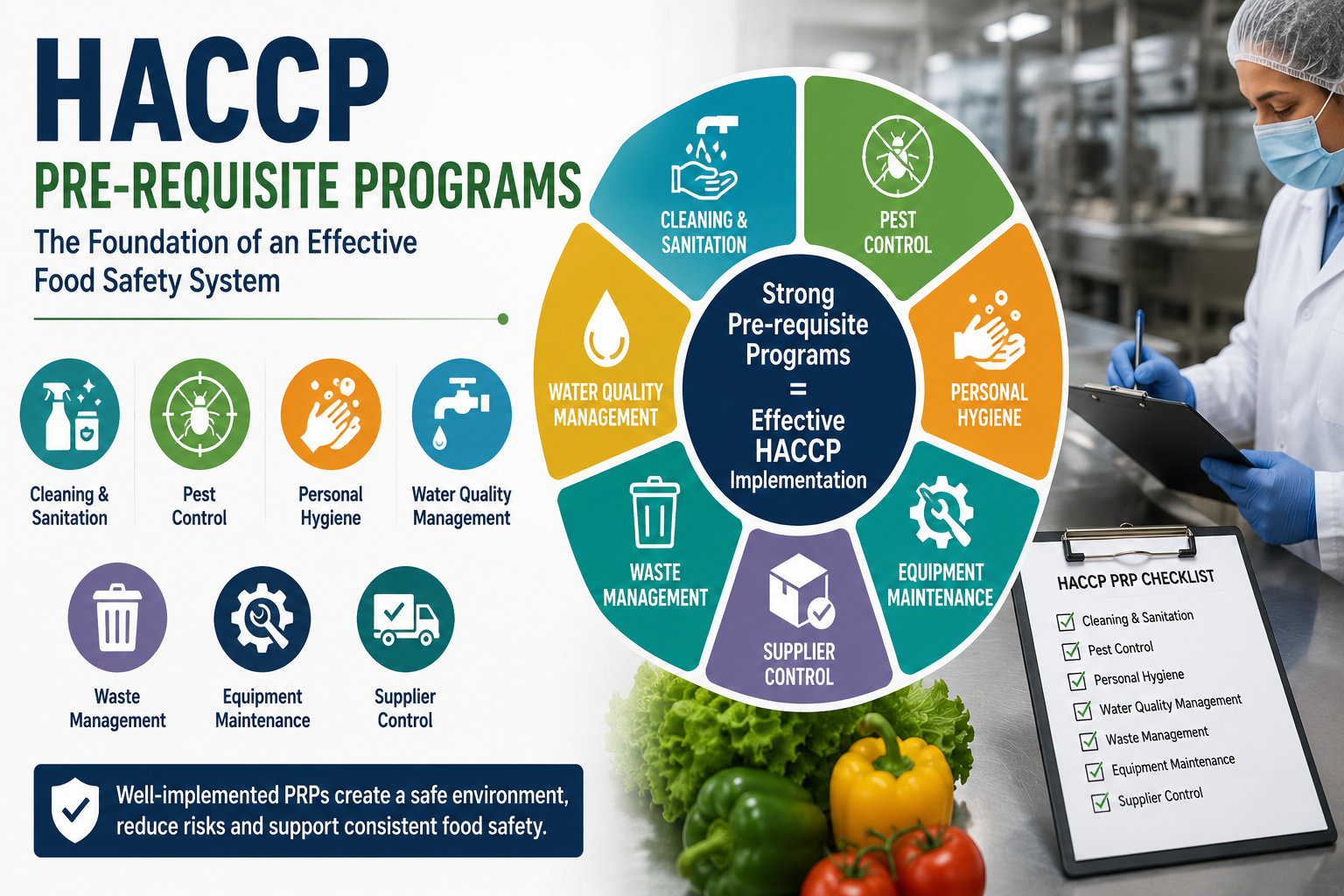
HACCP PRP

HACCP Pre-requisite Programs: What are PRPs in a HACCP System?

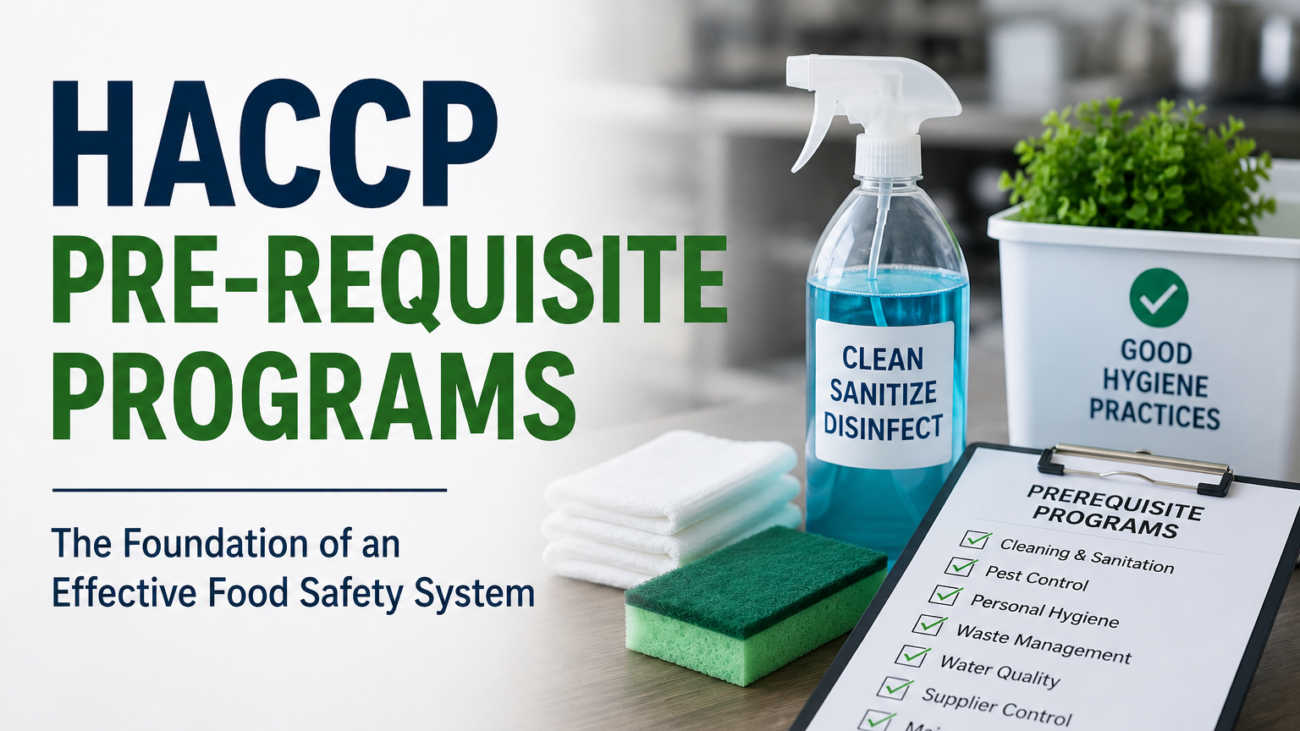
One of the most important foundations of a successful HACCP system is the implementation of HACCP prerequisite programs (PRPs). These food safety prerequisite programs create the basic environmental and operational conditions necessary for producing safe food.

Without strong PRPs, even the best HACCP plan can fail at implementation.

In this article, we will explore what HACCP prerequisite programs are, why they are important, the essential PRPs every food business should implement, and how they support an effective food safety management system.

What Are HACCP Prerequisite Programs (PRPs)?

HACCP prerequisite programs are the basic food safety conditions and operational activities required before implementing a HACCP system. 

PRPs are designed to control general food safety hazards within the processing environment and daily operations.

These programs establish the hygienic foundation necessary for safe food production and help minimize risks such as contamination, cross-contamination, pest infestation, and unsafe food handling practices.

Examples of prerequisite programs in HACCP include:

  • Good Manufacturing Practices (GMPs)
  • Personal hygiene programs
  • Cleaning and sanitation procedures
  • Pest control programs
  • Supplier approval systems
  • Equipment maintenance
  • Waste management
  • Temperature control
  • Allergen management
  • Food safety training

PRPs differ from Critical Control Points (CCPs) because they control broad operational conditions rather than specific hazards at particular process steps.

Why Are HACCP Prerequisite Programs Important?

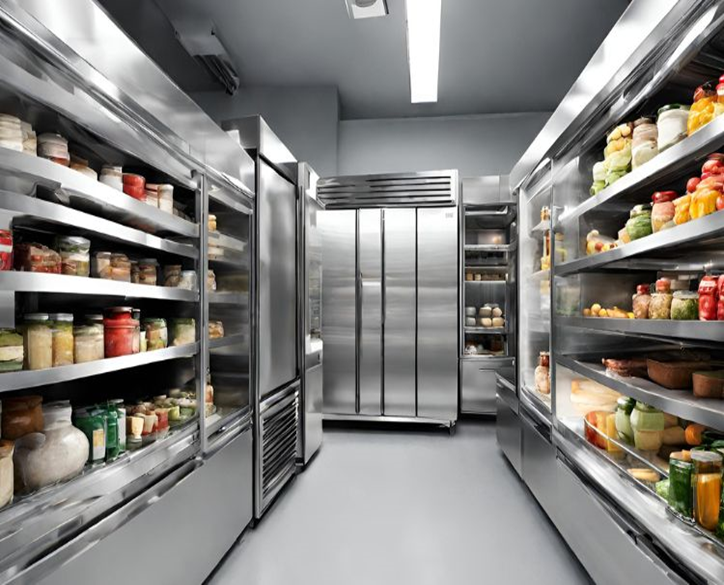
HACCP prerequisite programs storage

Strong food safety prerequisite programs are essential because they provide the operational foundation upon which the HACCP system is built.

Here are the reasons why you need to establish PRPs before a HACCP plan:

1. Reduce Food Safety Hazards

PRPs help prevent biological, chemical, and physical contamination before hazards become critical issues. Effective cleaning and sanitation, pest control, and employee hygiene significantly reduce contamination risks.

2. Support Effective HACCP Implementation

A HACCP system cannot function properly without stable operational controls. PRPs simplify hazard analysis and allow the HACCP plan to focus on truly critical hazards.

3. Improve Regulatory Compliance

Food businesses are often required by regulators and certification bodies to implement prerequisite programs as part of food safety compliance.

4. Prevent Foodborne Illnesses

Poor hygiene and sanitation practices can lead to foodborne disease outbreaks. PRPs help minimize risks and protect consumer health.

5. Enhance Customer Confidence

Strong food safety systems build customer trust, improve brand reputation, and increase business credibility.

6. Prepare Businesses for Food Safety Audits

Well-documented PRPs improve audit readiness for HACCP, ISO 22000, customer audits, and regulatory inspections.

Essential HACCP Prerequisite Programs

Let’s discuss each of the identified HACCP PRPs in detail:

1. Good Manufacturing Practices (GMPs)

Good Manufacturing Practices (GMPs) are among the most important HACCP prerequisite programs. GMPs establish standards for hygiene, facility conditions, equipment use, and operational practices.

Key GMP controls include:

  • Facility cleanliness
  • Hygienic food handling
  • Proper equipment maintenance
  • Safe storage practices
  • Prevention of contamination
  • Employee hygiene requirements

GMP and HACCP work together to create a comprehensive food safety management system.

2. Personal Hygiene Program

Personal hygiene in the food industry is critical because food handlers can easily contaminate food products.

HACCP prerequisite programs personal hygiene

An effective personal hygiene program should include:

  • Proper handwashing procedures
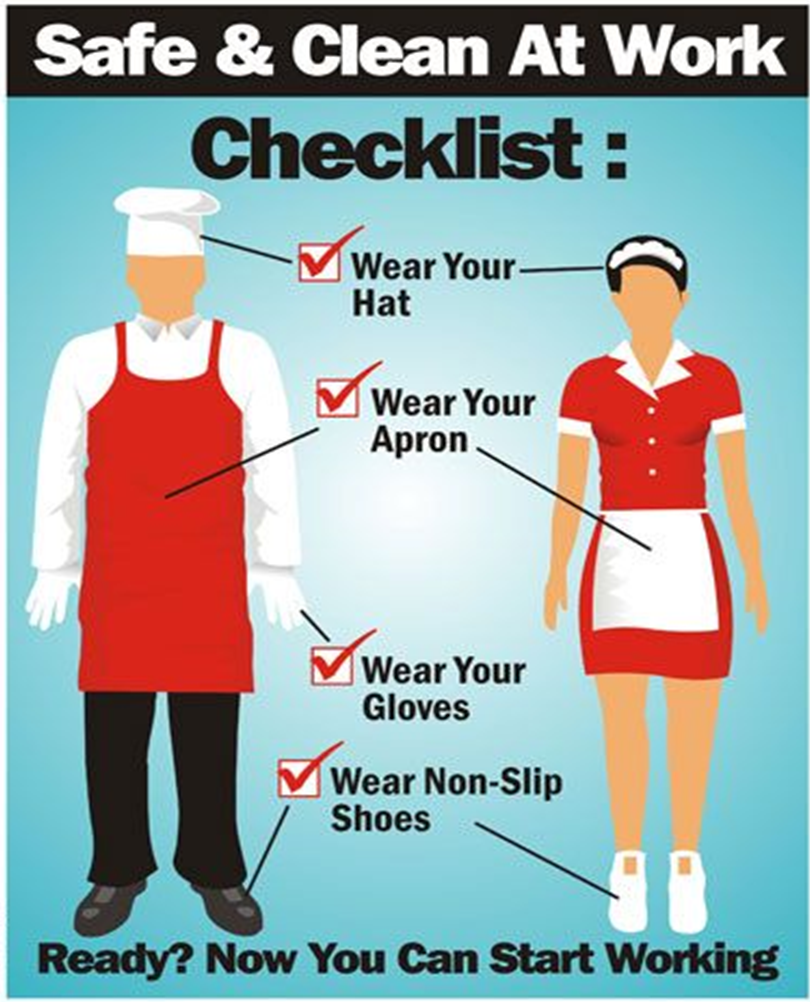
  • Use of protective clothing
  • Hair restraints and gloves
  • Illness reporting procedures
  • Restrictions on jewellery and personal items
  • Personal cleanliness requirements

Food safety training should reinforce these hygiene practices regularly so it becomes part of the organizational culture.

3. Cleaning and Sanitation Program

HACCP prerequisite programs sanitation

Cleaning and sanitation are essential for controlling microorganisms and maintaining hygienic food processing environments.

A cleaning and sanitation PRP should include:

  • Written sanitation SOPs
  • Cleaning schedules
  • Approved cleaning chemicals
  • Cleaning verification procedures
  • Sanitation monitoring records
  • Deep cleaning procedures

Regular cleaning helps prevent cross-contamination and microbial growth in the food production and handling area.

4. Pest Control Program

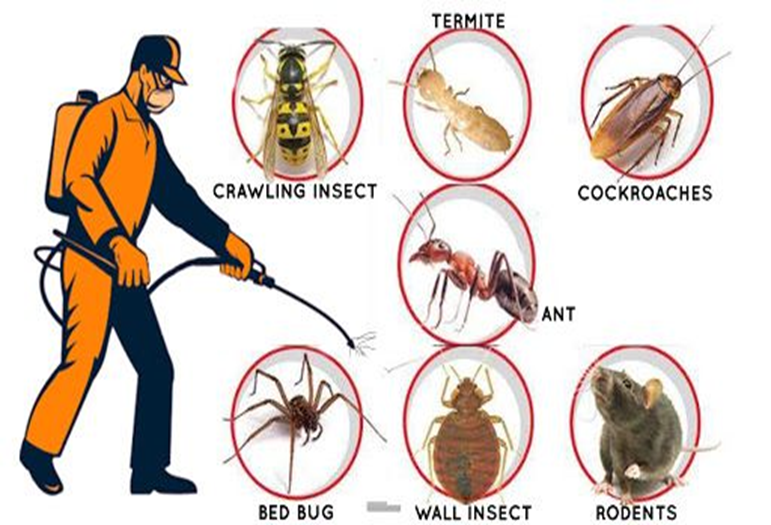
Pests such as rodents, flies, and cockroaches can spread contamination and damage food products.

HACCP prerequisite programs pest management

An effective pest control in a food safety program should include:

  • Routine inspections
  • Pest monitoring devices
  • Sealed entry points
  • Proper waste control measures
  • External pest control services
  • Pest activity records

Preventive pest management is often more effective than reactive treatment.

5. Supplier Approval and Control Program

Food safety starts with safe raw materials and ingredients. Supplier control programs help ensure that suppliers meet food safety standards so that the end product is not compromised.

Key elements of supplier control include:

  • Supplier audits and evaluations
  • Approved supplier lists
  • Establishing raw material specifications
  • Incoming goods inspections
  • Supplier performance reviews

Having reliable suppliers who meet safety standards reduces the risk of contamination entering the facility.

6. Allergen Management Program

Food allergens are a major food safety concern. Poor allergen management can result in severe health risks for allergic consumers.

HACCP prerequisite program allergen management

An allergen management program should include:

  • Allergen identification
  • Allergen ingredient segregation
  • Proper labeling controls
  • Cross-contact prevention
  • Dedicated utensils where necessary
  • Staff allergen awareness training

Proper allergen control is essential for regulatory compliance and consumer safety.

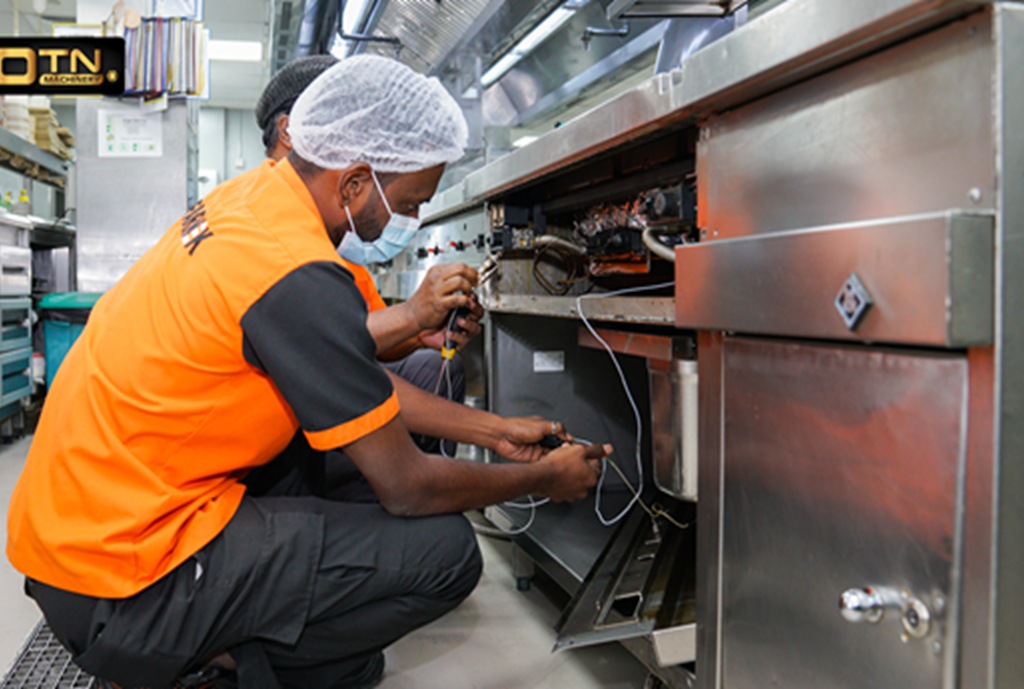
7. Equipment Maintenance Program

Poorly maintained equipment can become a source of contamination and operational failure.

A preventive equipment maintenance program should include:

  • Scheduled equipment inspections
  • Preventive maintenance plans
  • Equipment calibration
  • Repair procedures
  • Equipment maintenance records
  • Parts replacement schedules

Well-maintained equipment supports consistent food safety performance and reduces the risks of food contamination.

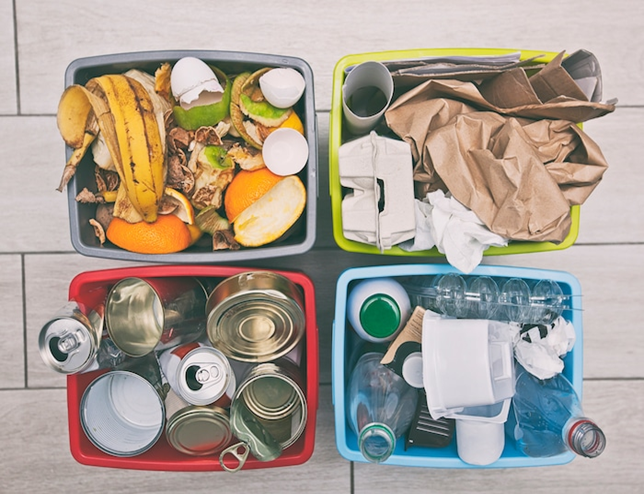
8. Waste Management Program

Improper waste handling can attract pests and create unsanitary conditions that contaminate food and affect consumers.

HACCP prerequisite programs waste management

An effective waste management PRP should include:

  • Proper waste segregation
  • Proper waste containers
  • Timely waste disposal
  • Cleaning of waste areas and bins
  • Consistent waste collection schedules
  • Proper environmental hygiene practices

Good waste management improves overall facility hygiene and ensures food remains safe from contamination.

9. Temperature Control Program

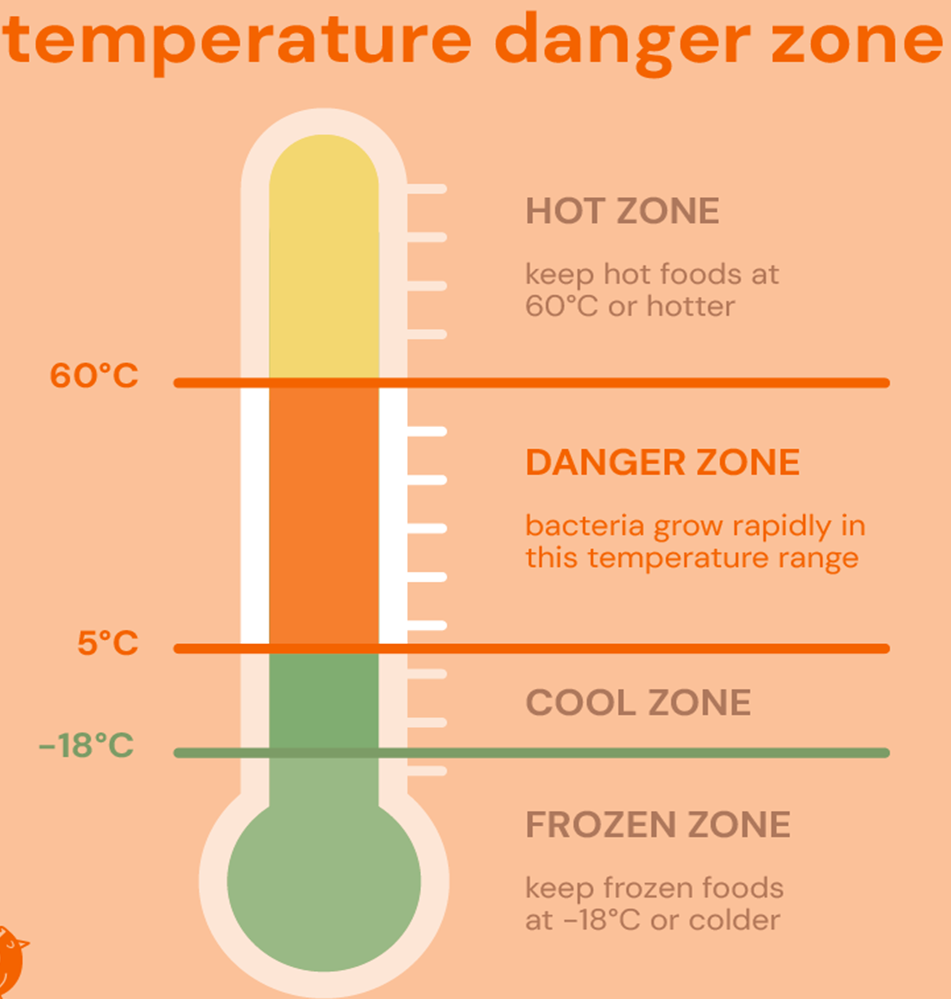
Temperature control in food safety is essential for preventing bacterial growth. Certain temperature levels encourage the growth of bacteria, hence they should be prevented in food handling and storage spaces.

 temperature control

Temperature monitoring should include:

  • Cooking temperature controls
  • Chilling procedures
  • Cold storage monitoring
  • Freezer temperature checks
  • Hot holding controls
  • Calibration of thermometers

Maintaining proper temperatures helps preserve food safety and product quality.

10. Traceability and Recall Program

Food businesses must be able to identify and trace products quickly in case of a food safety incident that requires a recall.

A traceability and recall program should include:

  • Batch coding systems
  • Consistent product identification
  • Written recall procedures
  • Proper distribution records
  • Prompt customer communication systems
  • Periodic mock recall exercises

Efficient traceability systems help reduce the impact of food recalls and lower the financial and legal implications involved.

11. Training and Competency Program

Food safety training is necessary to ensure employees understand and follow food safety procedures.

Staff training programs in a food handling business should cover:

  • HACCP awareness
  • Personal hygiene
  • Cleaning and sanitation
  • Cross-contamination prevention
  • Allergen management
  • Safe food handling practices

Regular refresher training improves food safety culture among the staff and enhances operational consistency.

HACCP PRPs infographic

Difference Between PRPs, OPRPs, and CCPs

Many food businesses confuse PRPs, Operational Prerequisite Programs (OPRPs), and Critical Control Points (CCPs).

What’s the difference between these three common terms? Let’s explore:

Pre-requisite Programs (PRPs)

These are basic operational conditions that maintain a hygienic environment in a food handling setup.

Examples:

  • Cleaning
  • Pest control
  • Personal hygiene
  • Waste management

Operational PRPs (OPRPs)

These are control measures identified during hazard analysis that reduce significant hazards but are not CCPs.

Examples:

  • Metal detection
  • Controlled allergen cleaning procedures

Critical Control Points (CCPs)

These are process steps where control is essential to eliminate or reduce a food safety hazard to an acceptable level.

Examples:

  • Cooking temperatures
  • Storage temperatures
  • Cooking time
  • Pasteurization

PRPs, OPRPs, and CCPs, all work together to support an effective HACCP system.

Common Challenges in Implementing HACCP Prerequisite Programs

Many organizations struggle with PRP implementation due to several challenges including:

  • Lack of Staff Training: Employees may not fully understand food safety procedures or their importance.
  • Poor Documentation: Incomplete records can result in failed external and internal audits due to weak food safety systems.
  • Inadequate Management Commitment: Food safety systems require leadership support and adequate resources, without which they cannot succeed.
  • Inconsistent Monitoring: PRPs must be monitored consistently to remain effective. Many organisations fail to consistently monitor PRPs.
  • Resource Constraints: Smaller businesses may struggle with staffing, equipment, or infrastructure limitations, which in turn limit PRP implementation and functioning.

Best Practices for Effective PRP Implementation

To build effective HACCP prerequisite programs, here is a summary of what to do as a food business owner:

  1. Develop clear written procedures
  2. Train staff regularly
  3. Conduct internal food safety audits
  4. Maintain accurate food safety records
  5. Monitor compliance consistently
  6. Review programs periodically
  7. Encourage a strong food safety culture
  8. Correct non-conformities promptly

Continuous improvement is essential for maintaining food safety standards

Documentation Required for HACCP PRPs

As mentioned, documentation is a critical part of any food safety management system. Without documented records and procedures, PRP monitoring and control becomes a never-ending hassle.

Important PRP records include:

  1. Cleaning schedules
  2. Sanitation records
  3. Pest control logs
  4. Temperature monitoring forms
  5. Staff training records
  6. Equipment maintenance checklists
  7. Supplier approval records
  8. Equipment calibration records
  9. Inspection reports
  10. Corrective action reports

Proper documentation provides evidence of compliance and supports audit readiness at all times.

Conclusion: PRPs Form the Foundation for a Strong HACCP.

HACCP prerequisite programs are the backbone of every successful food safety management system. Without strong PRPs, HACCP implementation becomes difficult, ineffective, and unsustainable.

Food businesses that invest in strong PRPs are better positioned to achieve food safety compliance, pass audits, protect consumers, and build customer trust.

At SanaSafe, we help food businesses develop and implement effective HACCP systems, PRPs, food safety training programs, gap assessments, and internal audits tailored to their operations.

If you need support with HACCP implementation or food safety compliance in Kenya or anywhere in Africa, Contact Us today and let’s make a HACCP plan tailored to your specific operations.

HACCP Prerequisite Programs FAQs:

What are prerequisite programs?

Prerequisite programs (PRPs) are the basic food safety conditions and operational activities required to maintain a hygienic environment throughout the food production process. They form the foundation of an effective HACCP system.

What are examples of HACCP prerequisite programs?

Examples of HACCP prerequisite programs include: Good Manufacturing Practices (GMPs), Personal hygiene, Cleaning and sanitation, Pest control, Supplier approval, Allergen management, Equipment maintenance, Waste management, Temperature control, Food safety training.

What is the other name for prerequisite programs?

Prerequisite programs are also commonly referred to as: PRPs, Basic food safety programs, Foundation programs, Good Hygiene Practices (GHPs), or Good Manufacturing Practices (GMPs) in some contexts

What is the difference between prerequisite programs (PRPs) and operational prerequisite programs (OPRPs)?

PRPs are general food safety practices that maintain a hygienic environment, such as cleaning, pest control, and personal hygiene.

OPRPs are specific control measures identified through hazard analysis that help control significant food safety hazards but are not classified as Critical Control Points (CCPs). Examples include allergen cleaning procedures or metal detection systems.

sanasafe internal auditor

Internal Audits: How Do they Benefit Your Organization?

Internal audits are a crucial component of any effective management system, which includes QMS and Food Safety Management System (FSMS).

However, it goes beyond merely ensuring compliance.

Internal audits help businesses proactively identify and manage food safety risks, improve operational efficiency, and foster a culture of continuous improvement. 

Here are some key benefits of conducting regular internal audits for your food business.

1. Ensures Compliance with Food Safety Standards

One of the primary purposes of internal auditing is to ensure that your food safety practices align with regulatory requirements and certification standards like ISO 22000 and HACCP

By regularly assessing your food production processes, you can identify any non-conformities and rectify them before they escalate into serious issues or lead to regulatory penalties.

Internal audits serve as a crucial tool for maintaining the integrity of your food safety protocols. This helps you stay ahead of changing regulations and customer requirements.

2. Helps Identify and Mitigate Risks Early

Internal audits help you identify potential hazards and risks within your food production system before they become critical. 

By thoroughly evaluating every aspect of your operations, from raw materials, to hygiene practices, to supplier performance, these audits can reveal vulnerabilities that may not be immediately obvious in day-to-day operations.

This early detection, therefore, allows you to take preventive actions, reducing the likelihood of foodborne illnesses, contamination, and costly recalls. 

3. Internal Audits Promote Continuous Improvement

Internal audits aren’t just about finding faults but also about fostering improvement. 

Auditing provides valuable insights into areas where your processes can be optimized. 

By identifying gaps or inefficiencies, they enable you to implement corrective and preventive actions (CAPA) that lead to continuous improvement in your food safety practices.

Regular audits create a feedback loop that encourages your organization to constantly refine its procedures and improve performance.

4. Improves Operational Efficiency

Beyond compliance, internal audits can help streamline operations. 

This is because they highlight inefficiencies, redundancies, or unnecessary steps in your processes that can be adjusted to improve overall workflow. 

For example, audits may uncover outdated practices that slow production or ineffective quality control measures that lead to waste.

By optimizing these processes, your business can achieve higher levels of productivity while reducing unnecessary costs, thereby increasing profits.

5. Enhances Preparedness for External Audits

Internal audits are crucial in preparing for external audits, whether from customers, regulatory bodies, or certification agencies. 

Through these audits, you can identify and correct potential non-conformities ahead of time, ensuring you’re fully prepared for more rigorous external audits.

They help build confidence in your FSMS, making external audits smoother and more successful.

Conclusion: Every Organization Needs Internal Audits

Internal auditing is, therefore, a powerful tool for any business operating within the food and beverage industry.

It ensures ongoing compliance with food safety standards, identifies risks before they escalate, and promotes continuous improvement. By conducting regular internal audits, you enhance operational efficiency, and stay well-prepared for external reviews. 

If you’re looking to implement a HACCP system, QMS or have your quality systems audited, Learn more about our Internal Audit Services in Kenya and QMS auditing support.

food safety management systems Kenya

What is a Food Safety Management System (FSMS) and its Benefits?

Anyone running a food business knows that the safety of food products is paramount. One of the most effective ways to manage food safety hazards is by implementing a Food Safety Management System (FSMS)

This is because food production environments are prone to hazards that may render food unfit for consumption when not identified and controlled appropriately. 

In this post, we’ll discuss what an FSMS is, the key components, its roles and its benefits to the food industry.

What is a Food Safety Management System (FSMS)?

An FSMS is a systematic approach that helps businesses in the food industry manage food safety risks.

It provides guidelines that help to maintain high hygiene standards, prevent contamination, and ensure the food produced is safe for consumption. 

This system ensures that food safety hazards are identified, controlled, and continuously monitored at every stage of the food production process.

What are the Key Components of a Food Safety Management System?

An FSMS consists of several key elements that work together to ensure the safety of food products.

These components include:

1. Policies and Procedures

Developing clear policies and documented procedures is the foundation of any FSMS. 

These documents outline the business’s commitment to food safety and the steps required to maintain high standards. 

From production to handling, every phase is guided by established protocols.

2. Risk Management

One of the primary functions of an FSMS is identifying and controlling potential food safety hazards. 

Risk management involves regularly assessing risks, determining where they are likely to occur, and taking preventative measures to mitigate those risks before they cause harm.

3. Documentation

Record-keeping is essential for tracking and proving compliance. 

An effective FSMS requires comprehensive documentation of:

  • Production processes
  • Monitoring activities
  • Corrective actions
  • Verification efforts

This not only ensures compliance with regulations but also helps businesses stay organized and ready for audits.

4. Monitoring and Verification

An FSMS is an ongoing process. Businesses must regularly monitor their systems and verify that all food safety protocols are being followed. 

Continuous monitoring lets you identify deviations from standard practices and take corrective actions immediately.

What’s the Role of FSMS in Regulatory Compliance?

A well-implemented FSMS ensures your business complies with both local and international food safety standards. 

For instance, it aligns with frameworks, like ISO 22000 and FSSC 22000, internationally recognized certifications emphasising food safety across the entire food supply chain. 

Additionally, the Hazard Analysis and Critical Control Points (HACCP) principles form a core part of FSMS, providing a structured approach to identifying and controlling food safety hazards.

By implementing an FSMS, your business not only meets legal obligations but also demonstrate their commitment to producing safe, high-quality food products, which is essential for maintaining consumer trust.

Benefits of Implementing a Food Safety Management System

Wondering why you should implement an FSMS in your food business?

Implementing an FSMS offers numerous benefits, including:

  • Improved Food Safety and Quality Control: A robust FSMS reduces the risk of contamination and ensures that your products meet consistent quality and safety standards.
  • Risk Reduction: By systematically identifying and addressing food safety hazards, you can prevent foodborne illnesses and avoid costly recalls and reputational damage.
  • Increased Consumer Trust: Customers are more likely to trust brands that adhere to stringent food safety standards. An FSMS provides proof of a company’s commitment to delivering safe, reliable products.
  • Operational Efficiency and Cost Savings: An effective FSMS acts as a Quality System that helps to streamline operations, reduce waste, and prevent costly errors. It also enhances overall productivity by improving the consistency and quality of processes.
  • Access to a Larger Market: If you’re seeking to expand your client base to international levels, an FSMS that complies with international standards will open doors for you to sell your products to a larger global market.

What are the Challenges of Implementing an Effective FSMS?

While the benefits of a Food Safety Management System (FSMS) are clear, implementing one is not a walk in the park, as it comes with several challenges. 

Some of the challenges organizations encounter when implementing the system include:

1. Resistance to change

Businesses often face resistance to change when introducing new processes or tighter controls.

This could be from managers, junior employees, or other stakeholders within the organization.

2. Extensive Documentation

Managing the extensive documentation required for compliance can also be overwhelming, especially for smaller organizations with limited time, resources, and expertise.

3. Training

Ensuring consistent training and adherence to FSMS protocols across all teams is another common challenge that can lead to gaps in food safety practices.

So, What’s the Solution?

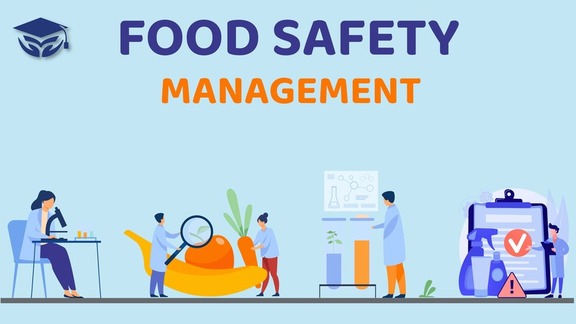
food safety management

At SanaSafe Consulting, we help you overcome these challenges through our comprehensive system implementation support, auditing services, and staff training programs

We walk with you to ensure your FSMS is not only compliant but also fully integrated into your operations, minimizing disruptions and maximising efficiency. Through our systematic approach of implementation and follow-up audits, we help you protect your customers, strengthen your brand, and thrive in a competitive market. 

Ready to get started? Contact us today, and let’s walk with you through the entire process, from planning to implementation to training and an effectiveness check.