

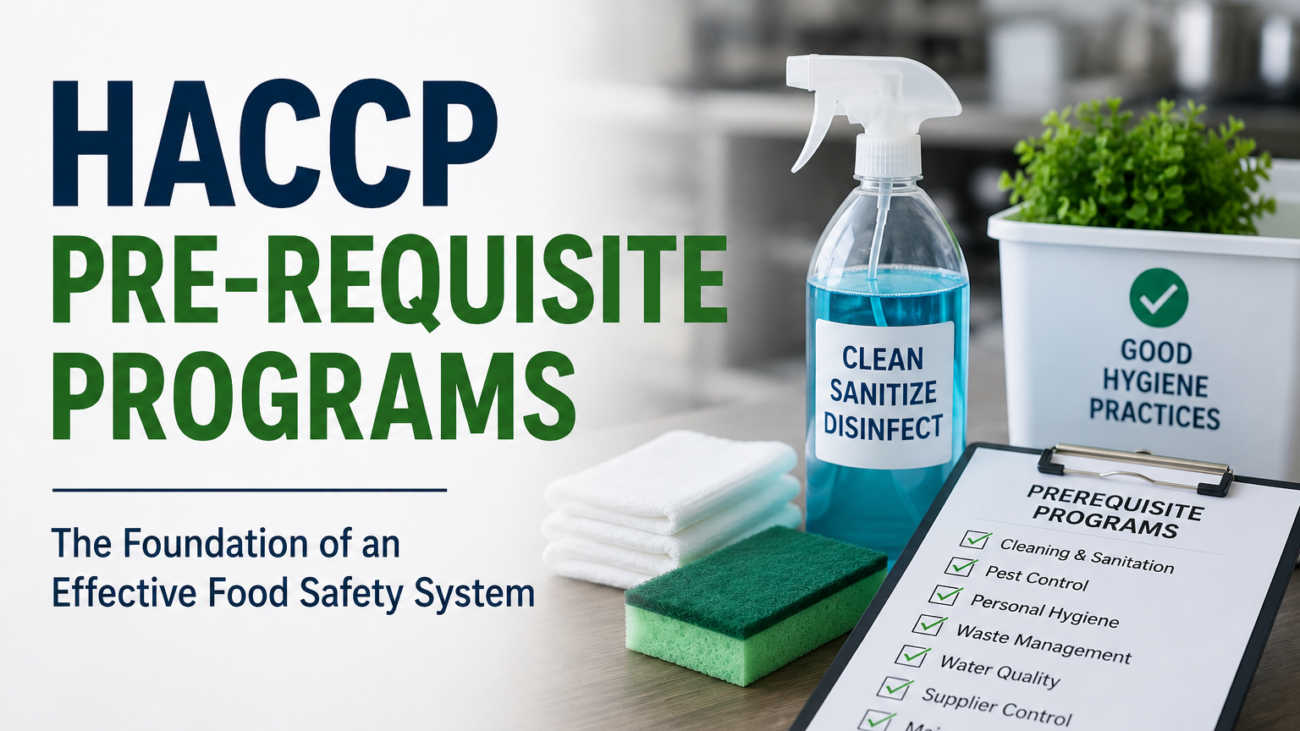
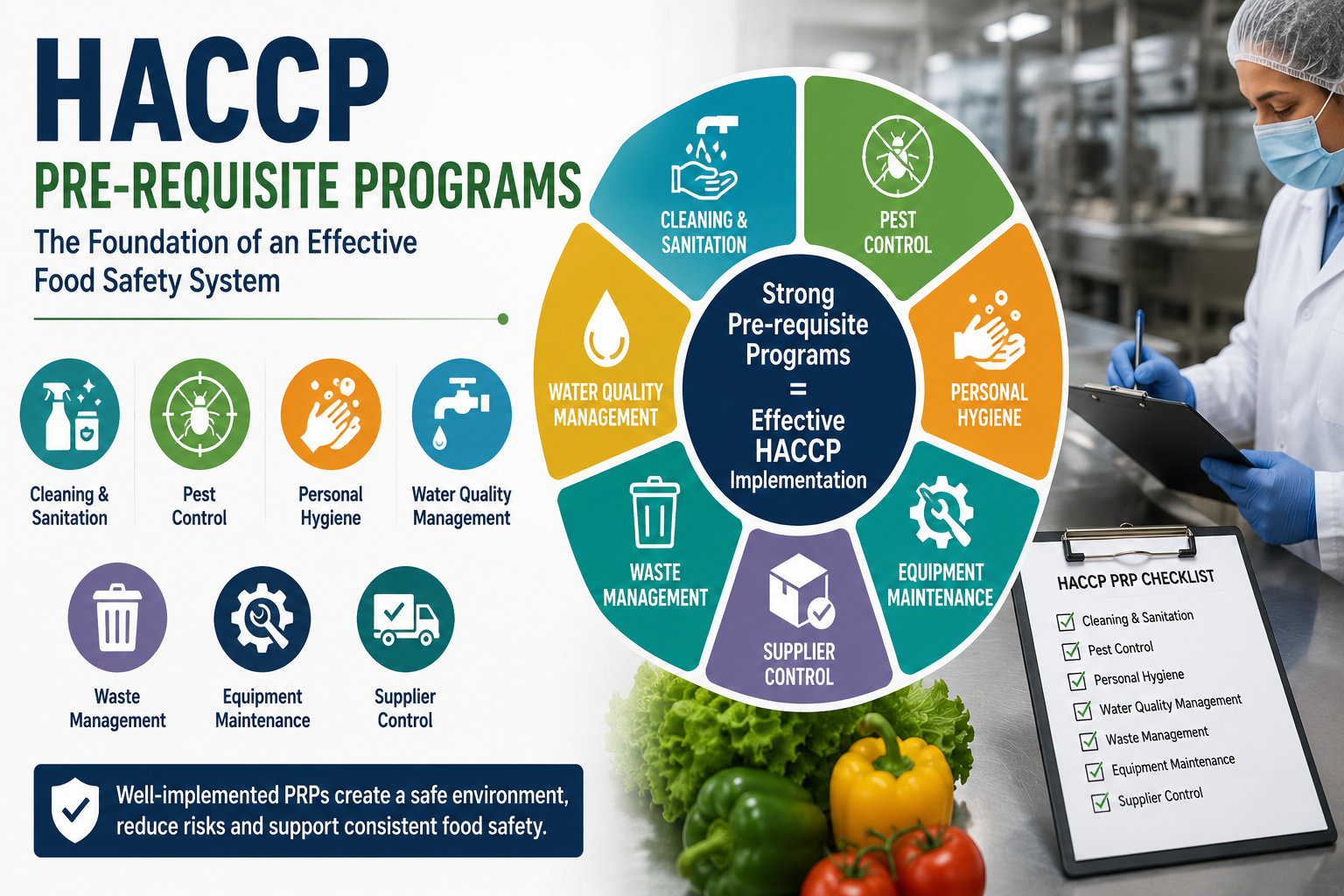
One of the most important foundations of a successful HACCP system is the implementation of HACCP prerequisite programs (PRPs). These food safety prerequisite programs create the basic environmental and operational conditions necessary for producing safe food.
Without strong PRPs, even the best HACCP plan can fail at implementation.
In this article, we will explore what HACCP prerequisite programs are, why they are important, the essential PRPs every food business should implement, and how they support an effective food safety management system.
What Are HACCP Prerequisite Programs (PRPs)?
HACCP prerequisite programs are the basic food safety conditions and operational activities required before implementing a HACCP system.
PRPs are designed to control general food safety hazards within the processing environment and daily operations.
These programs establish the hygienic foundation necessary for safe food production and help minimize risks such as contamination, cross-contamination, pest infestation, and unsafe food handling practices.
Examples of prerequisite programs in HACCP include:
- Good Manufacturing Practices (GMPs)
- Personal hygiene programs
- Cleaning and sanitation procedures
- Pest control programs
- Supplier approval systems
- Equipment maintenance
- Waste management
- Temperature control
- Allergen management
- Food safety training
PRPs differ from Critical Control Points (CCPs) because they control broad operational conditions rather than specific hazards at particular process steps.
Why Are HACCP Prerequisite Programs Important?
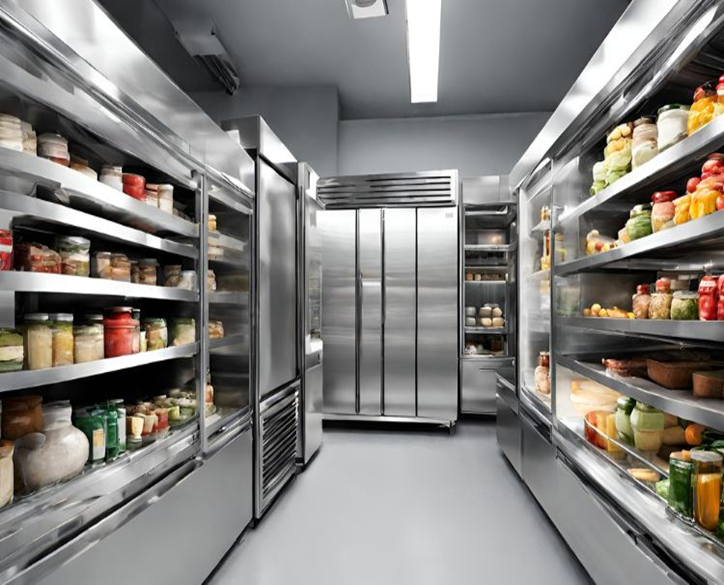
Strong food safety prerequisite programs are essential because they provide the operational foundation upon which the HACCP system is built.
Here are the reasons why you need to establish PRPs before a HACCP plan:
1. Reduce Food Safety Hazards
PRPs help prevent biological, chemical, and physical contamination before hazards become critical issues. Effective cleaning and sanitation, pest control, and employee hygiene significantly reduce contamination risks.
2. Support Effective HACCP Implementation
A HACCP system cannot function properly without stable operational controls. PRPs simplify hazard analysis and allow the HACCP plan to focus on truly critical hazards.
3. Improve Regulatory Compliance
Food businesses are often required by regulators and certification bodies to implement prerequisite programs as part of food safety compliance.
4. Prevent Foodborne Illnesses
Poor hygiene and sanitation practices can lead to foodborne disease outbreaks. PRPs help minimize risks and protect consumer health.
5. Enhance Customer Confidence
Strong food safety systems build customer trust, improve brand reputation, and increase business credibility.
6. Prepare Businesses for Food Safety Audits
Well-documented PRPs improve audit readiness for HACCP, ISO 22000, customer audits, and regulatory inspections.
Essential HACCP Prerequisite Programs
Let’s discuss each of the identified HACCP PRPs in detail:
1. Good Manufacturing Practices (GMPs)
Good Manufacturing Practices (GMPs) are among the most important HACCP prerequisite programs. GMPs establish standards for hygiene, facility conditions, equipment use, and operational practices.
Key GMP controls include:
- Facility cleanliness
- Hygienic food handling
- Proper equipment maintenance
- Safe storage practices
- Prevention of contamination
- Employee hygiene requirements
GMP and HACCP work together to create a comprehensive food safety management system.
2. Personal Hygiene Program
Personal hygiene in the food industry is critical because food handlers can easily contaminate food products.
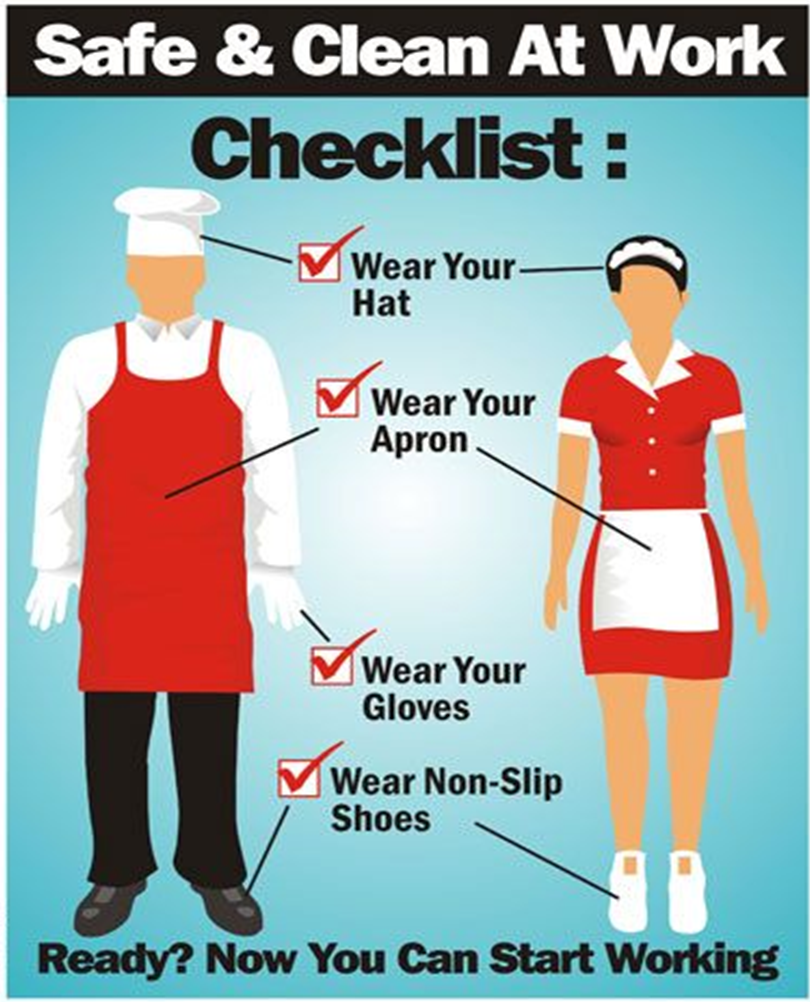
An effective personal hygiene program should include:
- Proper handwashing procedures
- Use of protective clothing
- Hair restraints and gloves
- Illness reporting procedures
- Restrictions on jewellery and personal items
- Personal cleanliness requirements
Food safety training should reinforce these hygiene practices regularly so it becomes part of the organizational culture.
3. Cleaning and Sanitation Program
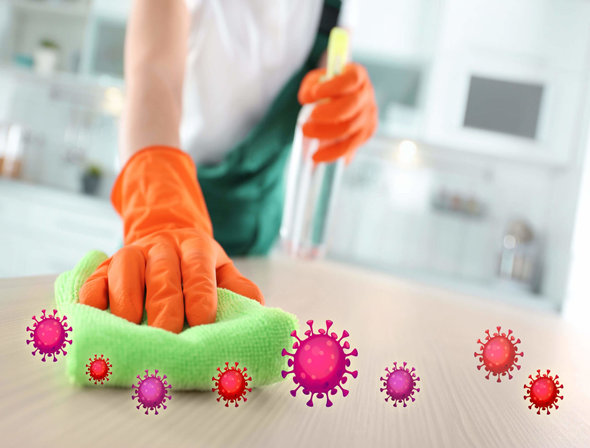
Cleaning and sanitation are essential for controlling microorganisms and maintaining hygienic food processing environments.
A cleaning and sanitation PRP should include:
- Written sanitation SOPs
- Cleaning schedules
- Approved cleaning chemicals
- Cleaning verification procedures
- Sanitation monitoring records
- Deep cleaning procedures
Regular cleaning helps prevent cross-contamination and microbial growth in the food production and handling area.
4. Pest Control Program
Pests such as rodents, flies, and cockroaches can spread contamination and damage food products.
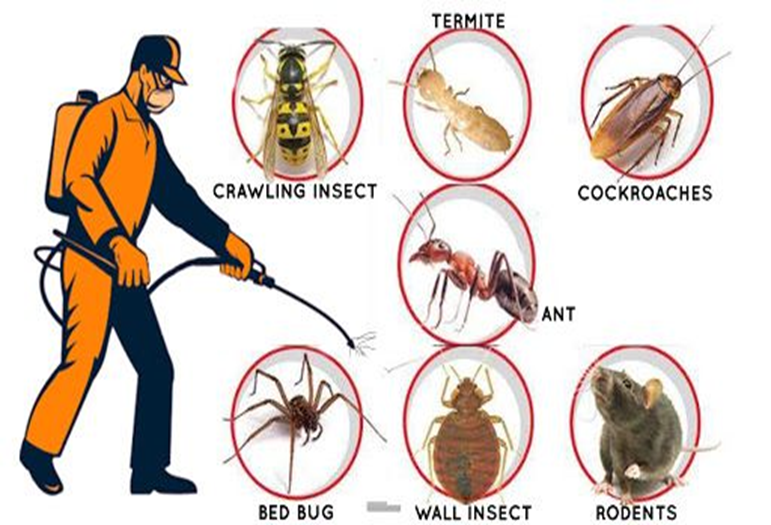
An effective pest control in a food safety program should include:
- Routine inspections
- Pest monitoring devices
- Sealed entry points
- Proper waste control measures
- External pest control services
- Pest activity records
Preventive pest management is often more effective than reactive treatment.
5. Supplier Approval and Control Program
Food safety starts with safe raw materials and ingredients. Supplier control programs help ensure that suppliers meet food safety standards so that the end product is not compromised.
Key elements of supplier control include:
- Supplier audits and evaluations
- Approved supplier lists
- Establishing raw material specifications
- Incoming goods inspections
- Supplier performance reviews
Having reliable suppliers who meet safety standards reduces the risk of contamination entering the facility.
6. Allergen Management Program
Food allergens are a major food safety concern. Poor allergen management can result in severe health risks for allergic consumers.
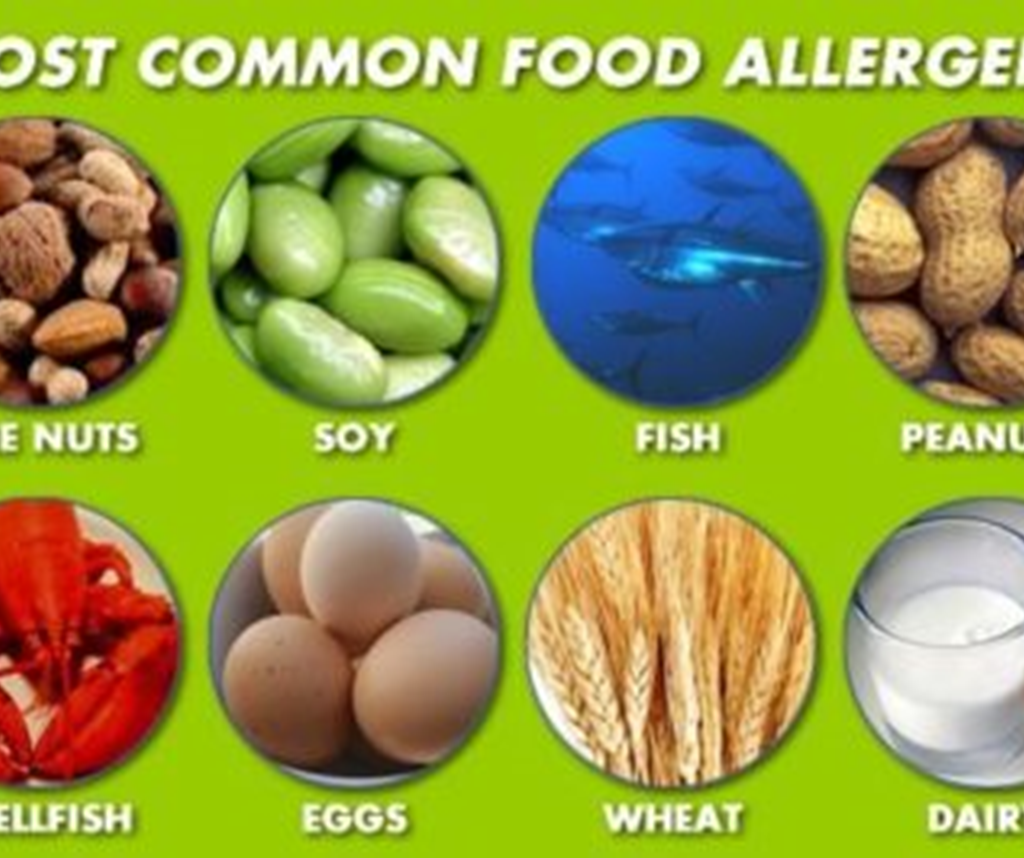
An allergen management program should include:
- Allergen identification
- Allergen ingredient segregation
- Proper labeling controls
- Cross-contact prevention
- Dedicated utensils where necessary
- Staff allergen awareness training
Proper allergen control is essential for regulatory compliance and consumer safety.
7. Equipment Maintenance Program
Poorly maintained equipment can become a source of contamination and operational failure.
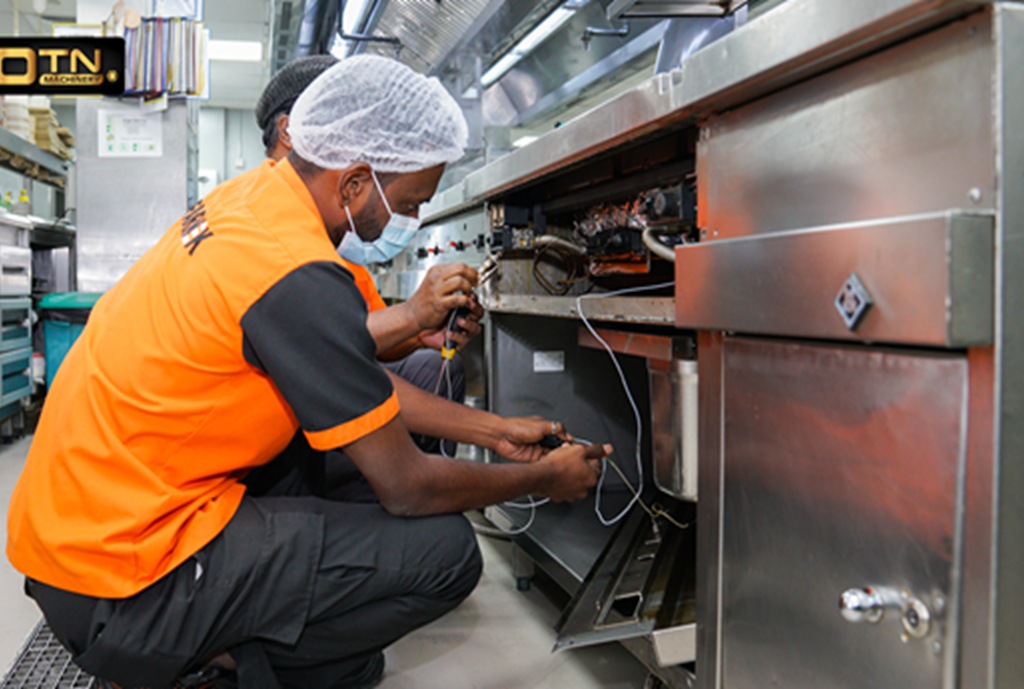
A preventive equipment maintenance program should include:
- Scheduled equipment inspections
- Preventive maintenance plans
- Equipment calibration
- Repair procedures
- Equipment maintenance records
- Parts replacement schedules
Well-maintained equipment supports consistent food safety performance and reduces the risks of food contamination.
8. Waste Management Program
Improper waste handling can attract pests and create unsanitary conditions that contaminate food and affect consumers.
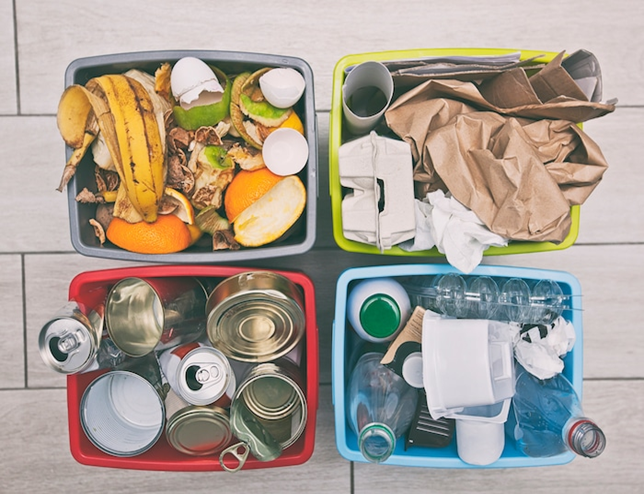
An effective waste management PRP should include:
- Proper waste segregation
- Proper waste containers
- Timely waste disposal
- Cleaning of waste areas and bins
- Consistent waste collection schedules
- Proper environmental hygiene practices
Good waste management improves overall facility hygiene and ensures food remains safe from contamination.
9. Temperature Control Program
Temperature control in food safety is essential for preventing bacterial growth. Certain temperature levels encourage the growth of bacteria, hence they should be prevented in food handling and storage spaces.
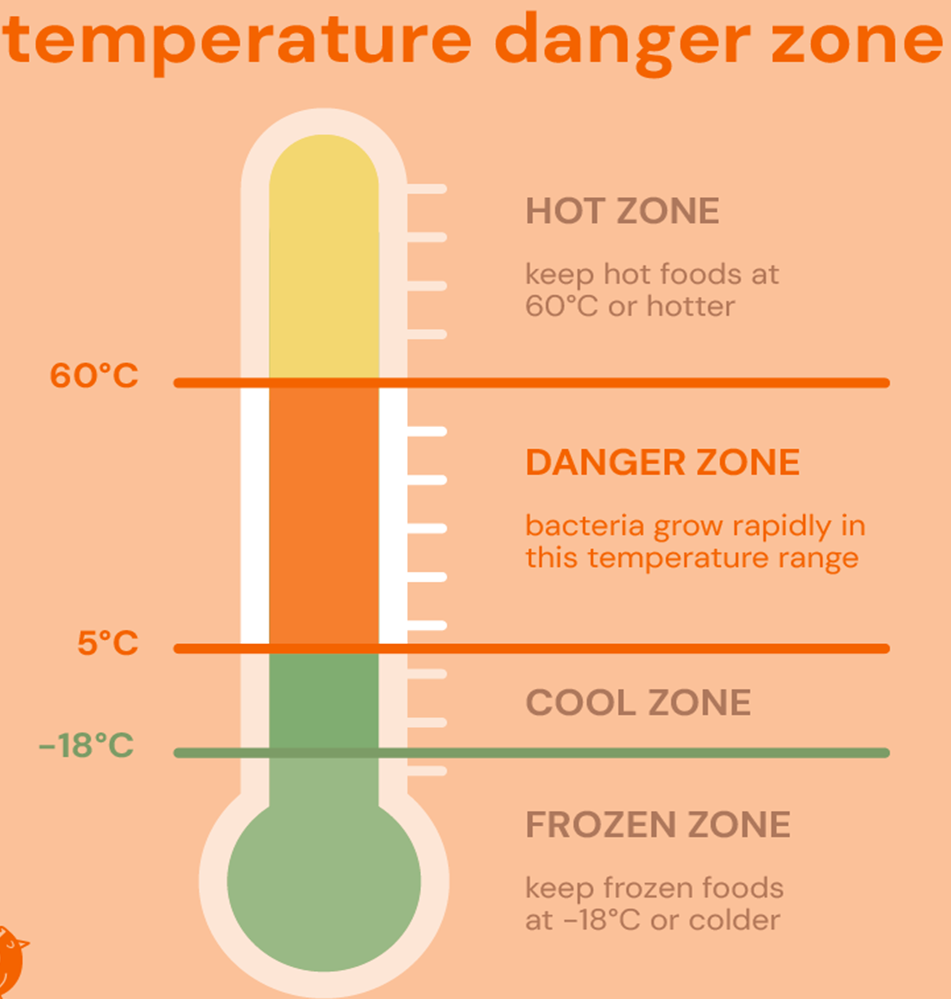
Temperature monitoring should include:
- Cooking temperature controls
- Chilling procedures
- Cold storage monitoring
- Freezer temperature checks
- Hot holding controls
- Calibration of thermometers
Maintaining proper temperatures helps preserve food safety and product quality.
10. Traceability and Recall Program
Food businesses must be able to identify and trace products quickly in case of a food safety incident that requires a recall.
A traceability and recall program should include:
- Batch coding systems
- Consistent product identification
- Written recall procedures
- Proper distribution records
- Prompt customer communication systems
- Periodic mock recall exercises
Efficient traceability systems help reduce the impact of food recalls and lower the financial and legal implications involved.
11. Training and Competency Program
Food safety training is necessary to ensure employees understand and follow food safety procedures.
Staff training programs in a food handling business should cover:
- HACCP awareness
- Personal hygiene
- Cleaning and sanitation
- Cross-contamination prevention
- Allergen management
- Safe food handling practices
Regular refresher training improves food safety culture among the staff and enhances operational consistency.
Difference Between PRPs, OPRPs, and CCPs
Many food businesses confuse PRPs, Operational Prerequisite Programs (OPRPs), and Critical Control Points (CCPs).
What’s the difference between these three common terms? Let’s explore:
Pre-requisite Programs (PRPs)
These are basic operational conditions that maintain a hygienic environment in a food handling setup.
Examples:
- Cleaning
- Pest control
- Personal hygiene
- Waste management
Operational PRPs (OPRPs)
These are control measures identified during hazard analysis that reduce significant hazards but are not CCPs.
Examples:
- Metal detection
- Controlled allergen cleaning procedures
Critical Control Points (CCPs)
These are process steps where control is essential to eliminate or reduce a food safety hazard to an acceptable level.
Examples:
- Cooking temperatures
- Storage temperatures
- Cooking time
- Pasteurization
PRPs, OPRPs, and CCPs, all work together to support an effective HACCP system.
Common Challenges in Implementing HACCP Prerequisite Programs
Many organizations struggle with PRP implementation due to several challenges including:
- Lack of Staff Training: Employees may not fully understand food safety procedures or their importance.
- Poor Documentation: Incomplete records can result in failed external and internal audits due to weak food safety systems.
- Inadequate Management Commitment: Food safety systems require leadership support and adequate resources, without which they cannot succeed.
- Inconsistent Monitoring: PRPs must be monitored consistently to remain effective. Many organisations fail to consistently monitor PRPs.
- Resource Constraints: Smaller businesses may struggle with staffing, equipment, or infrastructure limitations, which in turn limit PRP implementation and functioning.
Best Practices for Effective PRP Implementation
To build effective HACCP prerequisite programs, here is a summary of what to do as a food business owner:
- Develop clear written procedures
- Train staff regularly
- Conduct internal food safety audits
- Maintain accurate food safety records
- Monitor compliance consistently
- Review programs periodically
- Encourage a strong food safety culture
- Correct non-conformities promptly
Continuous improvement is essential for maintaining food safety standards
Documentation Required for HACCP PRPs
As mentioned, documentation is a critical part of any food safety management system. Without documented records and procedures, PRP monitoring and control becomes a never-ending hassle.
Important PRP records include:
- Cleaning schedules
- Sanitation records
- Pest control logs
- Temperature monitoring forms
- Staff training records
- Equipment maintenance checklists
- Supplier approval records
- Equipment calibration records
- Inspection reports
- Corrective action reports
Proper documentation provides evidence of compliance and supports audit readiness at all times.

Conclusion: PRPs Form the Foundation for a Strong HACCP.
HACCP prerequisite programs are the backbone of every successful food safety management system. Without strong PRPs, HACCP implementation becomes difficult, ineffective, and unsustainable.
Food businesses that invest in strong PRPs are better positioned to achieve food safety compliance, pass audits, protect consumers, and build customer trust.
At SanaSafe, we help food businesses develop and implement effective HACCP systems, PRPs, food safety training programs, gap assessments, and internal audits tailored to their operations.
If you need support with HACCP implementation or food safety compliance in Kenya or anywhere in Africa, Contact Us today and let’s make a HACCP plan tailored to your specific operations.
HACCP Prerequisite Programs FAQs:
What are prerequisite programs?
Prerequisite programs (PRPs) are the basic food safety conditions and operational activities required to maintain a hygienic environment throughout the food production process. They form the foundation of an effective HACCP system.
What are examples of HACCP prerequisite programs?
Examples of HACCP prerequisite programs include: Good Manufacturing Practices (GMPs), Personal hygiene, Cleaning and sanitation, Pest control, Supplier approval, Allergen management, Equipment maintenance, Waste management, Temperature control, Food safety training.
What is the other name for prerequisite programs?
Prerequisite programs are also commonly referred to as: PRPs, Basic food safety programs, Foundation programs, Good Hygiene Practices (GHPs), or Good Manufacturing Practices (GMPs) in some contexts
What is the difference between prerequisite programs (PRPs) and operational prerequisite programs (OPRPs)?
PRPs are general food safety practices that maintain a hygienic environment, such as cleaning, pest control, and personal hygiene.
OPRPs are specific control measures identified through hazard analysis that help control significant food safety hazards but are not classified as Critical Control Points (CCPs). Examples include allergen cleaning procedures or metal detection systems.